REVIEW · ZURICH
Daytrip to Jungfraujoch Top of Europe and Interlaken from Zurich
Book on Viator →Operated by Yo Tours · Bookable on Viator
Swiss Alpine engineering, in one long day.
This trip strings together the Bernese Oberland towns and the big mountain machines that make Jungfraujoch possible, from Zurich by coach all the way up to the Top of Europe zone. You get a structured day with gondolas, a cogwheel train, and built-in time for the viewpoints that usually eat your whole vacation.
I love two things most. First: the round-trip coach from Zurich means you’re not wrangling connections while your coffee is still warm. Second: the key rides up high are handled for you, including the Eiger Express and the Jungfraujoch stops at Sphinx and the Ice Palace.
The trade-off is simple: it’s a long, group-timed day. Even with a stated cap of 48 people, you’ll feel the pace—limited time at each stop and sometimes tough listening conditions when the group is large, plus Jungfraujoch’s altitude can be a factor if you’re sensitive.
In This Review
- Quick hits before you commit
- The real draw: Jungfraujoch without the planning headache
- Zurich to the Bernese Oberland: scenic, but be ready for a long sit
- Interlaken: a quick taste between two lakes
- Grindelwald Terminal and the Eiger Express ride
- From the Eiger area to Jungfraujoch: the “top zone” switch
- Jungfraujoch Top of Europe: what you do once you’re there
- Sphinx Observation Platform: where the Aletsch Glacier views happen
- Ice Palace and Alpine Sensation: the experience people remember
- Lauterbrunnen, Kleine Scheidegg, and Wengen: the calmer finish
- Price and logistics: is $434.75 a good deal?
- Group size reality: what 48 people feels like on a mountain
- Guides make or break the day
- Who should book this (and who should rethink it)
- Should you book this Jungfraujoch day trip from Zurich?
- FAQ
- How long is the day trip?
- Where does the tour start and end?
- What’s included at Jungfraujoch?
- Is there English available?
- Do I get a mobile ticket?
- How many people are on the tour?
- Which Swiss towns are included?
- Is the Eiger Express included?
- Is there free time at the mountain?
- What’s the cancellation window?
Quick hits before you commit
- Coach door-to-mountain convenience: round-trip transport all the way from Zurich, with minimal hassle.
- Eiger Express thrills: a modern cable car ride below the Eiger North Face with glacier views.
- Cogwheel train to Europe’s highest railway station: fast access to the Jungfraujoch “top zone.”
- Sphinx Observation Platform + Ice Palace: the iconic high-alpine duo that many people call the highlight.
- Car-free Wengen at the end: a calmer valley finish after the high-altitude time.
- High demand means tight timing: it runs on schedules, so plan to move when they move.
The real draw: Jungfraujoch without the planning headache
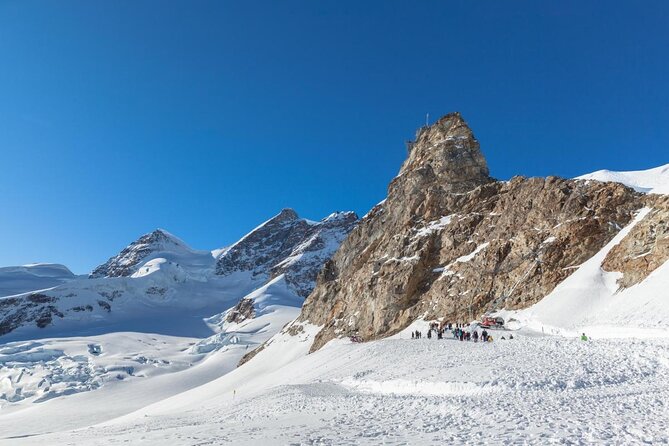
If your goal is to see Jungfraujoch and still have a couple of Swiss towns on the same day, this format makes sense. You trade some freedom for structure, and the structure is the point: gondola + cogwheel train + planned stop times.
What you’re really buying is time management. The mountain logistics in this region can be confusing if you’re doing it solo, especially when weather, platform changes, and crowds gang up on you. This tour tries to remove that friction.
Also: the day is designed so you don’t just stare from one viewpoint. You get multiple “levels” of the Alps—valley towns first, then Eiger area, then the Jungfraujoch summit zone.
Zurich to the Bernese Oberland: scenic, but be ready for a long sit
The day starts with a coach ride out of Zurich through classic Swiss countryside—rolling hills, villages, and broad alpine views. It’s comfortable transport, and you’re not forced to switch trains right away.
Still, it’s a 12-hour day, and the early hours are mostly seated time. One practical move: bring layers and something to keep you occupied, because the coach stretches the day before the first big mountain ride.
Interlaken: a quick taste between two lakes
Interlaken is your first town stop. It’s the postcard version of Switzerland: a town between Lake Thun and Lake Brienz, with the mountains pressing in from both sides.
The time here is short, so you’ll want to use it like a layover. Think of it as a reset: grab a snack, stretch your legs, snap a few easy photos, and then get ready to move on to higher altitude.
This stop also helps the emotional rhythm of the day. After the coach ride, you land in a real town center vibe before the schedule climbs.
Grindelwald Terminal and the Eiger Express ride
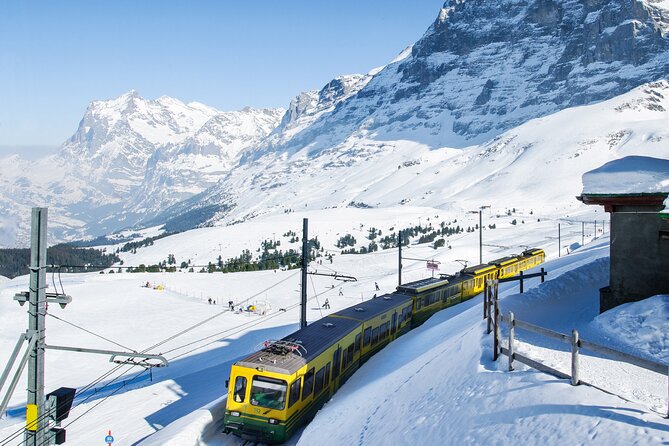
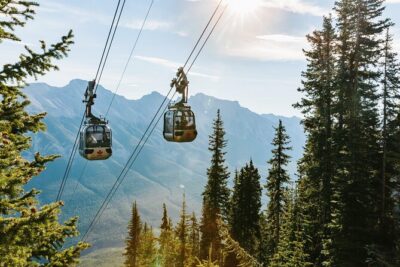
Next comes Grindelwald Terminal, then the Eiger Express aerial cableway. This is one of the most exciting parts because you’re literally passing through the geography around the Eiger North Face.
The ride matters because it changes how you understand the mountains. From ground level, the Eiger looks dramatic. From this cable car perspective, it turns into a giant wall of rock with glacier and valley angles you can actually map with your eyes.
One caution: if you’re prone to motion sensitivity or have tight-space anxiety, cable cars and enclosed gondola-like sections can feel intense. This came up in feedback, so it’s worth thinking about before you book.
From the Eiger area to Jungfraujoch: the “top zone” switch
Once you transition toward Jungfraujoch, the tour shifts from town-and-viewpoint sightseeing into altitude experience. You ride the cogwheel train route Grindelwald → Jungfraujoch → Lauterbrunnen, which is the machinery that gets you to Europe’s highest railway station.
That cogwheel segment is more than transportation. It’s part of the experience because it gives you that step-by-step movement into a different climate. The air feels different up high, and the views go from “beautiful” to “how is this real?” quickly.
If the weather is clear, you’ll be grateful you came. If clouds roll in, you’ll still be in the right place to see glimpses and atmospheric views—just expect the views to be less consistent.
Jungfraujoch Top of Europe: what you do once you’re there
At Jungfraujoch, you’re not just doing one stop. You’re routed through the Sphinx area, including the Alpine Sensation experience and time for the Ice Palace. The goal is to cover the big-ticket sights without you trying to stitch together multiple timed entries on your own.
This is where the tour earns its keep. On Jungfraujoch, you don’t have unlimited freedom to roam and figure things out. You have to follow the flow of rail schedules, platform timing, and indoor/outdoor congestion.
What I like about this approach is it helps you avoid the “we wasted the day searching” problem. You get guided movement, and you can focus on the views and attractions.
Also, there’s a common theme in feedback: the engineering and the scale up here are genuinely memorable. Even people who didn’t expect to be wowed often end up calling this a highlight of their whole trip.
Sphinx Observation Platform: where the Aletsch Glacier views happen
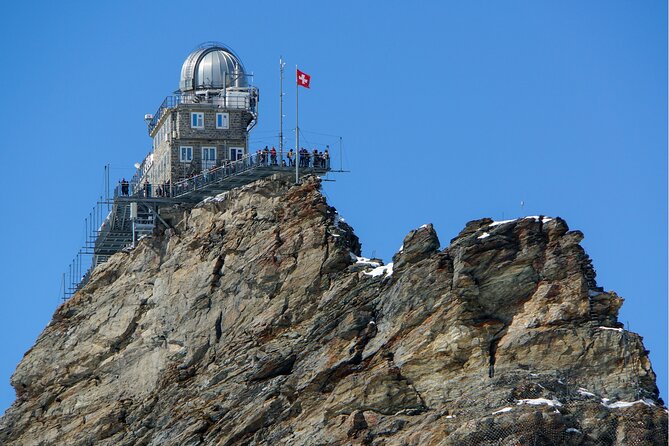
The Sphinx Observation Platform is the viewpoint zone. It’s where you come to feel the place is bigger than your imagination. You’re also looking out toward the Aletsch Glacier, which is described as Europe’s largest glacier.
This is your chance to slow down, look longer than you planned, and take photos that don’t feel rushed. The key is knowing you won’t have endless time. You’ll want to pick a “photo direction,” then circle it once so you’re not constantly turning your back on the views.
If you’re traveling with someone who gets nervous about high altitude, you can still make it work here. Just plan for short breaks, steady breathing, and less strenuous moving around the crowds.
Ice Palace and Alpine Sensation: the experience people remember
The Ice Palace is often called out as a favorite. It’s the kind of attraction that feels like a fun detour when you’re already in snow and cold, but it also gives you a break from outdoor crowds because you’re moving through a curated space.
The Alpine Sensation round-tour also helps by adding structure to the summit visit. Without it, a high-altitude stop can feel like: go outside, stare, then stand in line again. With these attractions, you get indoor context, a change of pace, and a clear set of things to see.
Practical tip: dress for cold and wind even if Zurich was sunny. High points can flip fast, and you’ll enjoy the visit more if you’re not constantly shivering.
Lauterbrunnen, Kleine Scheidegg, and Wengen: the calmer finish
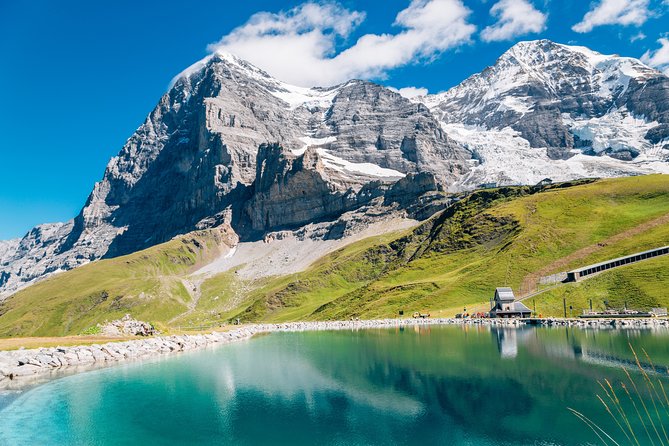
After Jungfraujoch, you descend via Kleine Scheidegg and into Lauterbrunnen. You’ll pass through mountain views of the big three peaks—Eiger, Mönch, and Jungfrau are specifically part of what’s highlighted.
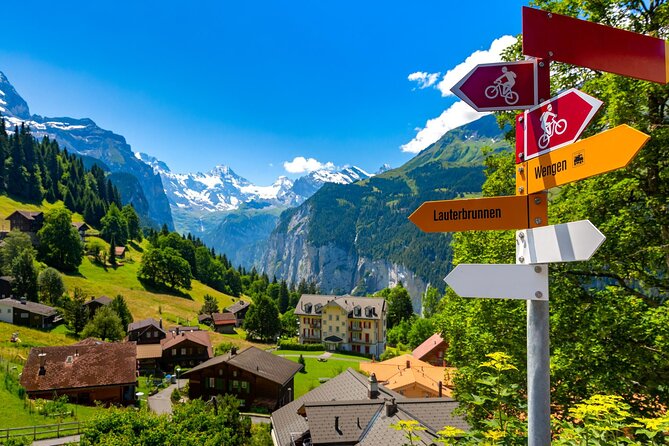
Then comes Wengen. Wengen is car-free, and that matters. It changes the feel of the day from “high-mountain transit” to “Swiss village time,” even if the stop is still limited.
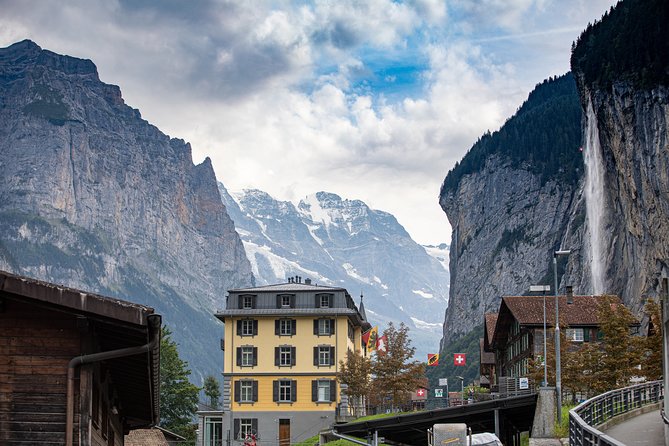
This ending sequence is smart. You get the Alpine wow up high first, then you finish with softer visuals: chalets, valley scenery, and waterfalls around Lauterbrunnen.
Price and logistics: is $434.75 a good deal?
Let’s talk value, not just cost. At $434.75 per person, this isn’t a budget day. You’re paying for a packed transport chain—coach from Zurich plus the major mountain rides and summit attractions. The price also reflects that you’re covering multiple “must-see” sites in one shot.
So when is it worth it?
- If you want Jungfraujoch and don’t want to plan the transport puzzle.
- If you’d rather pay for structure than spend your vacation navigating connections.
- If you care about hitting the iconic parts—Eiger Express, Sphinx views, and the Ice Palace—without spending extra time booking.
When might it feel overpriced?
- If you hate group pacing and want long, slow wandering.
- If you’re very price-sensitive and open to DIY travel using trains on your own schedule.
- If you expect lots of free time for shopping, because time in towns is limited and the schedule prioritizes the rail rides.
One complaint that pops up: some people wished for more included basics like water or longer shop windows. That’s not something I’d ignore. If you’re the type who gets cranky when you’re thirsty, pack accordingly.
Group size reality: what 48 people feels like on a mountain
The tour is capped at 48, and that’s helpful. But you can still feel big-group energy on busy days—especially at transition points where everyone funnels toward trains and elevators.
What that means for you:
- The guide can be amazing and still be hard to hear in peak congestion.
- You’ll want to keep your timing tight—don’t drift during train changes.
- Bathroom breaks can feel rushed compared to how you’d do it solo.
This is also why the “express-style” planning is valuable. Even when the group is large, the tour format tries to reduce waiting around.
Guides make or break the day
A big part of why people rate this highly is the guide experience. Names that come up include Olga, Sofia, Annette, Bruno, Peter, Santiago, and Monica (with Ping also mentioned).
You can think of this as practical leadership, not trivia. A good guide helps you:
- keep everyone moving on time,
- understand what you’re seeing at each stop,
- and make smart suggestions when weather changes plans.
Some lower ratings complain about guides not speaking loud enough or confusion around meeting points. So if you’re sensitive to organization, plan to follow instructions closely and stay near your group lead during transitions.
Who should book this (and who should rethink it)
This tour fits best if:
- You want Jungfraujoch in one day from Zurich.
- You prefer a guided day with major transportation handled.
- You’re excited by both engineering (cogwheel rail, Eiger Express) and the summit attractions.
I’d rethink it if:
- You need lots of quiet time or hate strict group pacing.
- You’re very sensitive to altitude or worried about headaches, because the schedule rises quickly and the top zone is high.
- You have claustrophobia concerns. Some parts involve enclosed or semi-enclosed riding, and that’s not a great match for everyone.
If you’re on the fence, ask yourself one question: do you want maximum flexibility, or do you want maximum efficiency?
Should you book this Jungfraujoch day trip from Zurich?
If your priority is Top of Europe plus a couple of Bernese Oberland towns in the same day, I think this is a strong pick. The best version of this day is when you treat it like a guided mission: follow the plan, dress for cold, and use each stop with purpose.
But if you’re the type who wants to linger for hours, go off-script for photos, and take your time between stops, this may feel like too much structure for the money. In that case, you might prefer a DIY train plan and build in your own buffer.
My advice: book it if Jungfraujoch is your non-negotiable. Save DIY for the rest.
FAQ
How long is the day trip?
It runs about 12 hours.
Where does the tour start and end?
It starts in Zurich and includes round-trip coach transport from Zurich.
What’s included at Jungfraujoch?
You visit Jungfraujoch with the Sphinx Observation Platform and the Ice Palace (including the Alpine Sensation round-tour).
Is there English available?
Yes, the tour is offered in English.
Do I get a mobile ticket?
Yes, the tour uses a mobile ticket.
How many people are on the tour?
The maximum group size is 48 travelers.
Which Swiss towns are included?
You stop in Interlaken, and you also visit Wengen later in the day.
Is the Eiger Express included?
Yes, the Eiger Express gondola and the Eiger glacier portion are included.
Is there free time at the mountain?
You have time at Jungfraujoch to enjoy the summit attractions.
What’s the cancellation window?
You can cancel up to 24 hours in advance for a full refund.