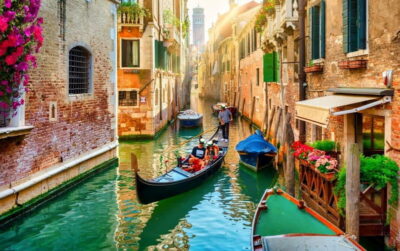
REVIEW · BURANO
Venice Explorer Pass: Gondolas, Museums & Island Tours
Book on Viator →Operated by Turbopass GmbH · Bookable on Viator
Venice in a single pass beats ticket chaos. This kind of Venice day-to-days setup is interesting because it pairs Doge’s Palace with a timed-in-your-plan gondola ride, plus museum and island entries so you spend less time figuring out what to book next. The main thing to watch: it’s not a universal skip-the-line pass for every stop, so you’ll want to confirm what’s included for each attraction.
I like that it aims to cover 30+ attractions with one ticket system, including big-name classics and quieter palaces and schools. With a maximum group size of 10 and English availability, it feels easier to manage than a DIY pile of separate bookings—especially if you’re not sure how Venice’s ticket desks work.
One more consideration: the pass can feel a bit confusing in real life at ticket counters, and support may not be instant if something doesn’t scan. Plan ahead, keep your voucher handy, and if you’re heading straight to a timed entry, don’t treat your first hour in Venice as a guessing game.
In This Review
- Key highlights that shape your plan
- What you’re really buying with the Venice Explorer Pass
- Doge’s Palace: the skip-the-line piece worth paying attention to
- City-center museums: archaeology, Marciana, and interactive Leonardo
- Schools, churches, and the Venice of art on walls
- Gondola ride: 20 minutes on the canals, shared and worth it
- The lagoon day: Murano, Burano, and Torcello in one go
- Palaces turned museums: Cà Rezzonico, Ca’ Pesaro, Fortuny, Mocenigo
- Theo’s checklist: fitting 1–5 days without burnout
- Price and logistics: does $102.01 per person make sense?
- Who should buy this pass (and who should skip)
- Should you book the Venice Explorer Pass
- FAQ
- What’s included for Doge’s Palace?
- How long is the gondola ride?
- Does the pass include the Murano, Burano, and Torcello island tour?
- Are the museums and attractions entry tickets included?
- Is public transportation included?
- Can I cancel for a full refund?
Key highlights that shape your plan
- Doge’s Palace with skip-the-line entry (the one that’s explicitly called out)
- Gondola ride included with a short 20-minute canal perspective
- Murano-Burano-Torcello island tour built into the package for a full lagoon day
- Museum and church-focused stops across classic Venice subjects (art, artifacts, lace, glass)
- Small group size (max 10), which can make logistics feel less chaotic
What you’re really buying with the Venice Explorer Pass
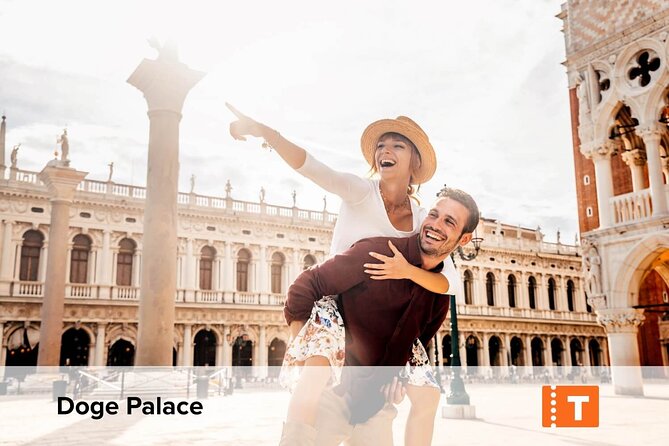
Think of this pass as a way to protect your time. Venice punishes procrastination: lines form, ticket desks get busy, and one forgotten reservation can throw off your day. This package tries to stop that domino effect by bundling major sites and a lagoon island tour into one system.
Your itinerary is built around two themes. First, you get the headline museums and church interiors that visitors usually prioritize (palaces, archaeology, a famous library collection, and interactive science/art). Second, you get the lagoon part of Venice—Murano, Burano, and Torcello—so you’re not stuck watching only canal views from the main islands.
The biggest “value” question is not just price. It’s whether you actually want most of these stops. If you’re the type who wants one big museum and then a long wander, a pass like this can feel like paying for time you might not use.
Doge’s Palace: the skip-the-line piece worth paying attention to

If you only do one indoor mega-attraction, Doge’s Palace is the one. Gothic architecture, Venetian rulers’ power in stone, and the feeling of stepping into a government that ran a trade empire from the lagoon.
Here, the pass includes 2 hours at Palazzo Ducale and highlights skip-the-line entry for this specific stop. That matters because Doge’s Palace is the sort of place where “I’ll just show up” can turn into a long wait, especially during peak hours.
Practical tip: treat the palace like a timed visit even if the pass gives you speed. You still need time to orient, see the main areas, and avoid rushing through the rooms that actually make the place memorable.
City-center museums: archaeology, Marciana, and interactive Leonardo
After Doge’s Palace, the pass leans into Venice’s brains and its collecting habits.
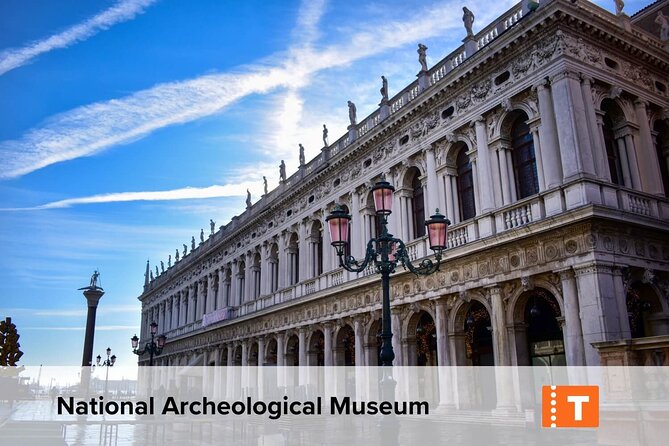
National Archeological Museum gives you a look at ancient Greek and Roman sculptures, including pieces donated from private collections tied to Venetian aristocrats. It’s a good match for travelers who like art history but also want objects with a backstory—how wealthy locals shaped what became “important” in museums.
Then there’s Biblioteca Nazionale Marciana (the Marciana National Library), where the focus is on one of the most important collections of Greek, Latin, and Oriental works. If you’re interested in Venice’s relationship to the classical world—language, maps, and how people understood geography—this stop reads like a quiet intellectual detour that still feels unmistakably Venetian.
Next is Museo Leonardo da Vinci, described as interactive. This is one of the more “works for different ages and moods” entries on the list because it’s built to be hands-on rather than purely observational.
A timing reality: these are all listed around 2 hours each. If you stack too many of them on one day, you’ll start moving fast through rooms instead of absorbing them. I’d rather do two strong museum stops than five short ones.
Schools, churches, and the Venice of art on walls
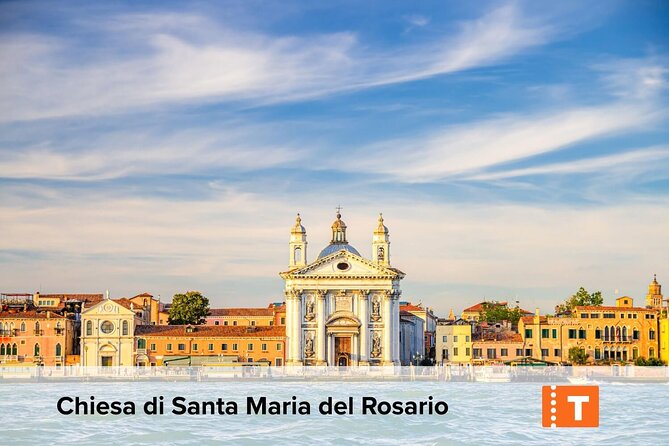
Venice’s religious and communal life shows up not just in churches, but in the confraternities—institutions tied to charity, identity, and public art commissions.
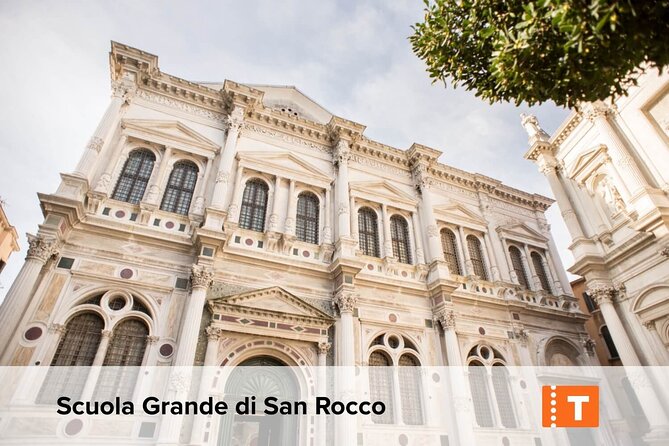
Scuola Grande di San Rocco is one of the large confraternities, dating back to the 13th century. The building’s role in communal life is part of the point, but what you’ll likely enjoy most is the way the art supports that story.
You also get Museo Correr, which frames Venetian Republic life through bronze statues, paintings, and books. This is the kind of stop that helps you connect what you’re seeing in palaces and churches to the political and civic world behind it.
Then there’s Scala Contarini del Bovolo, the spiral staircase attached to Palazzo Contarini del Bovolo. Even if you’re not a “staircase person,” a spiral like this is one of those architectural moments where you stop walking and start looking—because it’s hard to understand the shape until you’re seeing it.
Another major stop is Scuola Grande San Giovanni Evangelista di Venezia, existing since 1261. This one is built for art lovers: it connects Gothic, Renaissance, Baroque, and Rococo transitions and points you toward paintings by major names like Tintoretto and Tiepolo, along with an architectural highlight linked to Mauro Codussi (including a staircase and a marble septum). You don’t need to be an expert to enjoy it—you just need time to notice the details.
If you’re short on time, pick one confraternity stop plus one other church or museum entry. Doing both confraternities in one day can be satisfying, but it can also turn into “more ceiling, more paintings” without the mental space to appreciate what changes between them.
Gondola ride: 20 minutes on the canals, shared and worth it
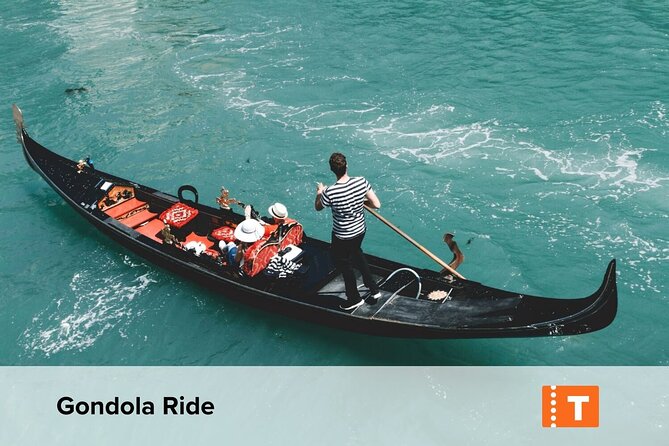
The pass includes a Venice Gondola Tour for 20 minutes. This is the classic Venice checklist item, but the real value here is not the gondola alone—it’s pairing it with the rest of your sightseeing so you’re not paying separately for every big-ticket experience.
One key detail: this gondola ride is likely shared with other passengers, and that can make it feel slightly different than booking privately. Still, it’s a great way to see Venice’s buildings from the water line—where balconies, facades, and canal bridges hit differently than on foot.
You should also expect a perspective shift. Even if the ride feels short, it gives you a “first map” of the city’s geometry. And if your route happens to include the Rialto area, you’ll get one of those views you usually only see from certain angles on foot.
The lagoon day: Murano, Burano, and Torcello in one go
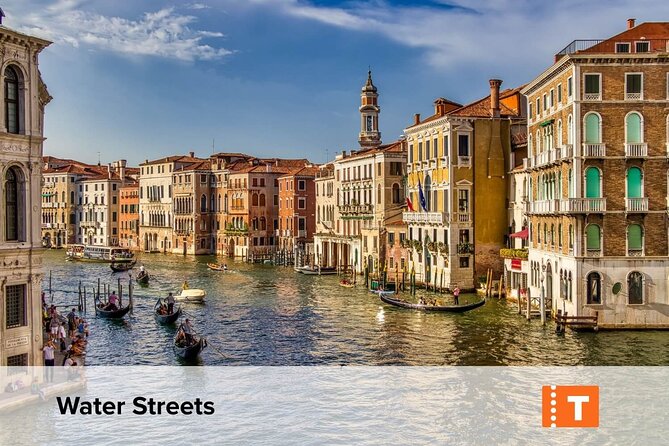
The package includes an island tour to Murano, Burano, and Torcello for about 5 hours, with free admission as part of the island portion.
This is the kind of stop that gives you a clean before-and-after. Venice on foot is canals and alleys. The islands add a second Venice made of workshops, lace shops, and old stone churches where the day feels calmer.
Murano is tied to glass—handmade glassmaking is part of the experience, with an included visit that can involve seeing a glassblowing workshop. If you like craftsmanship, Murano’s museum slot is also included later: the Glass Museum (Murano) with seven sections that run from antiquity to modern times, plus a focus on the rebirth of Murano glass from the late 19th century onward.
Burano leans hard into color and tradition. You’ll see the lace connection and the Museo del Merletto di Burano fits perfectly here, showing rare and precious pieces and tracing the history of Venetian and lagoon lace in a setting tied to the island’s historic institutions.
Torcello ends the tour. It includes sites like the ancient St. Maria Assunta Cathedral and the St. Forsa Church, with origins in the 11th and 12th centuries. This is where the lagoon tour earns its “don’t skip it” reputation: it feels older and quieter than the main islands.
Time note: because this island tour takes a chunk of your day, don’t schedule back-to-back indoor museums right after. Build in a lighter evening plan so you don’t feel rushed returning to Venice.
Palaces turned museums: Cà Rezzonico, Ca’ Pesaro, Fortuny, Mocenigo
The pass doesn’t only cover mega-attractions. It includes a cluster of palazzo museums that give you a sense of how Venetians lived—and what they collected.
Ca’ Rezzonico (about 1 hour) focuses on 18th-century aristocratic life and houses the Museo del Settecento Veneziano. The art timeline here matters: late Baroque, Rococo, and early Classicism, with noted names such as Pietro Longhi, Canaletto, Francesco Guardi, and the Tiepolo father-and-son. It’s especially good if you want a Venice that’s not only churches and canals, but also interiors, furniture, and painterly atmosphere.
Ca’ Pesaro (also about 1 hour) brings modern art into the mix. You’ll find important 19th- and 20th-century pieces, including Gustav Klimt and Auguste Rodin, plus artists like Medardo Rosso, Adolfo Wildt, and Giacomo Balla. The palace structure keeps you moving through different “mood floors,” since temporary exhibitions and an Oriental Art section are built into the museum levels.
For design and lighting interests, Museo di Palazzo Fortuny (about 1 hour) is tied to Mariano Fortuny—painter and set-designer—where the museum experience reflects his ideas about light. The display includes paintings, photographs, and fabrics arranged according to that concept of perfect lighting.
Finally, Palazzo Mocenigo (about 1 hour) shifts your focus from paintings to fabrics and personal luxury. The museum includes collections of ancient clothes and textiles, plus a perfume section. It’s framed as a study centre for how costumes and fashion connected to Venetian noble life in the 17th and 18th centuries.
If you’re an “art in order” visitor, this palazzo cluster can work well over two days. If you’re tired after the lagoon tour, pick the one palazzo that matches your strongest interest that day, and leave the rest for when your brain has oxygen again.
Theo’s checklist: fitting 1–5 days without burnout
The pass is sold for 1 to 5 days (approx.). That range tells you how flexible it’s meant to be, but you still need a plan to avoid museum fatigue.
Here’s a simple structure that keeps your days functional:
- Day 1 (City landmarks): Doge’s Palace plus one museum or library stop, then end with an architectural moment like Scala Contarini del Bovolo.
- Day 2 (Venetian art and confraternities): pick one scuola plus Museo Correr or a lighter palazzo entry.
- Day 3 (Lagoon day): island tour first, then one Murano/Burano add-on if your energy holds.
- Optional extra days: rotate palaces (Ca’ Rezzonico, Ca’ Pesaro, Fortuny, Mocenigo) so each day has one “big yes” and one “nice to have.”
A small but important reality: many stops are listed around 1 to 2 hours. So the pass can feel like you’re “doing a lot” even when each place isn’t demanding. The danger is compression. You don’t want your last stop of the day to be the one you were most excited about.
Price and logistics: does $102.01 per person make sense?
At $102.01 per person, this pass has two potential strengths: you can save money versus buying the big entries one by one, and you reduce booking friction by bundling. That’s what makes it worth considering if you’re doing several major sites in a short window.
But balance it with what the pass does not guarantee. Skip-the-line access is explicitly associated with Doge’s Palace. Other attractions may require normal entry processes. Also, the pass is offered in English, which helps if that matters for guided understanding.
The other logistics thing that can affect value is ticket redemption clarity. If you’re the type who gets cranky when you have to decode vouchers at a ticket desk, you’ll want to arrive with time to get oriented. A slow support response is a reminder to avoid leaving problems for the last hour of the last day.
Finally, compare with official options sold around St Mark’s area. There can be similar offerings, and one traveler noted the official city pass near the square priced lower even with comparable inclusions. I’d still price-check rather than assume any one reseller always wins.
Who should buy this pass (and who should skip)
This pass makes the most sense if you:
- Want Doge’s Palace, a gondola experience, and the lagoon island tour in the same trip
- Prefer bundling to reduce planning stress
- Like museums, palaces, and church-adjacent art stops (not only wandering streets)
It might not be the best fit if you:
- Only want one or two top sights and plenty of free time
- Get frustrated by ticket desk confusion and prefer very simple entries
- Are very strict about which parts of a major church or museum are covered and want everything fully included without add-ons
In other words: if you’re building a structured visit, it’s a strong tool. If you’re traveling light on “must-dos,” you may feel you paid for time you didn’t use.
Should you book the Venice Explorer Pass
I’d book it if Venice is short on days and you’re trying to hit the highlights without turning every morning into a scheduling puzzle. The combo of Doge’s Palace, gondola time, and Murano-Burano-Torcello is a practical win, and the palazzo and museum mix covers a wide spread of interests.
I’d hesitate if your plan is mostly casual wandering with just a couple major sights, or if you care deeply about exact coverage inside larger churches and want zero ambiguity. In that case, compare specific inclusions first and confirm which entries are truly skip-the-line versus standard entry.
If you do book, do yourself a favor: choose your “musts” up front, keep one day lighter for recovery after the lagoon tour, and give yourself extra time for redemption at ticket points.
FAQ
What’s included for Doge’s Palace?
The pass includes entry to Palazzo Ducale with skip-the-line access, and it’s listed for about 2 hours.
How long is the gondola ride?
The included gondola ride is 20 minutes.
Does the pass include the Murano, Burano, and Torcello island tour?
Yes. The pass includes an island tour to Murano, Burano, and Torcello, listed at about 5 hours.
Are the museums and attractions entry tickets included?
Yes. The pass is described as providing entry to 30+ attractions, and many stops are listed with admission included or marked as included at no additional cost.
Is public transportation included?
Public transport is not included unless you select the optional public transportation ticket.
Can I cancel for a full refund?
Yes. You can cancel up to 24 hours before the experience start time for a full refund. If you cancel less than 24 hours before, the amount paid is not refunded.