REVIEW · VENICE
Venice: Walking Tour & Gondola Ride
Book on GetYourGuide →Operated by Venice Events srl · Bookable on GetYourGuide
Venice works best when you see it from both land and water. This St. Mark’s Square to Castello walking tour pairs big architectural sights with quieter lanes, then finishes with a gondola ride for the view you can’t get on foot.
I especially like how the route mixes famous landmarks with residential Castello streets that feel lived-in, not staged. I also like the practical setup: you get an audio system and a real local guide, so you can keep moving while still understanding what you’re looking at.
One consideration: the gondola ride is not guided, so if you want a lot of spoken explanation on the water, you’ll mainly get that during the walking portion instead.
In This Review
- Key things I’d note before you go
- St. Mark’s Square: the fast path to the Venice most people miss
- Castello’s calli and campi: where Venice starts feeling real
- The specific stops you’ll want your camera ready for
- Santa Maria Formosa Square
- Saints Giovanni and Paolo Square
- Marco Polo’s former residence and the Malibran Theatre
- Getting to the gondola: Saint Moisè Square as your water gateway
- Practical tip for the gondola moment
- Gondola ride time: Grand Canal views plus quieter side canals
- Group size and the shared gondola reality
- Price check: does $79 make sense for what you get?
- Meeting point and timing: where you’ll stand before you start
- What to wear and how to handle surprises
- Should you book this Venice Walking Tour & Gondola Ride?
- FAQ
- FAQ
- How long is the Venice walking tour and gondola ride?
- What does the tour include?
- Is the walking tour guided by a live person?
- Is the gondola ride guided?
- Does this tour include museum or attraction entrances?
- Where is the meeting point?
- What languages is the tour commentary available in?
- How many people are in each gondola?
- Is the activity wheelchair accessible?
- Are kids allowed, and do they pay?
Key things I’d note before you go
- St. Mark’s Square + Doge’s Palace area on the walk, so you start with the big stuff
- Castello’s calli, campi, and bridges to escape some of the crowds
- Headsets/audio system so commentary stays clear without shouting over crowds
- Gondola on the Grand Canal and minor canals, including pass-by views under bridges
- Shared gondola capped at 6 people, which helps keep it social but not cramped
- Only external sights on the walking tour, so you’re paying for the tour guide, not museum time
St. Mark’s Square: the fast path to the Venice most people miss
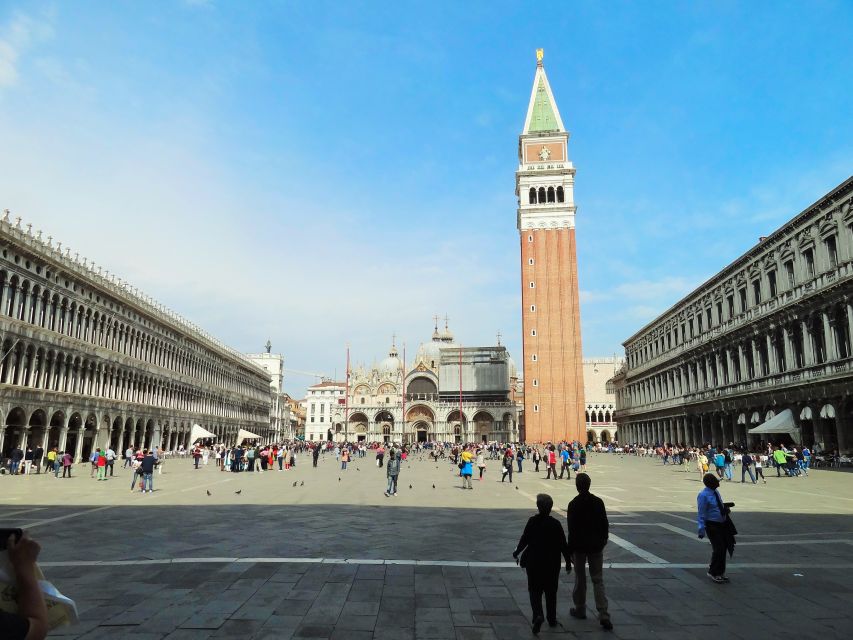
St. Mark’s Square is the obvious starting point for a reason. Even if you’ve seen photos, standing there helps you understand the layout: where the power once sat, how the buildings face the water, and why people still gather in the same open space centuries later. This tour begins with a historical introduction right in the square, using your guide to connect what you’re seeing to what it meant for Venice.
You’ll spend time around St. Mark’s Square’s architectural delights, including the broader Doge’s Palace area (you’ll see the buildings from outside—this isn’t an inside-museum stop). For a first-time visitor, it’s a smart choice because it gives you context before you move into the maze-like city streets. The square is also where you’ll get some of the best “Venice postcard” photo angles, especially when the group pauses in calmer pockets rather than trying to fight the slow shuffle of the crowd.
If you’re visiting during a busy season or special event, pay attention to how the guide steers you through the busiest streets. One verified booking specifically called out how the guide managed crowded conditions (Carnival was happening) without sacrificing the sightseeing.
Castello’s calli and campi: where Venice starts feeling real
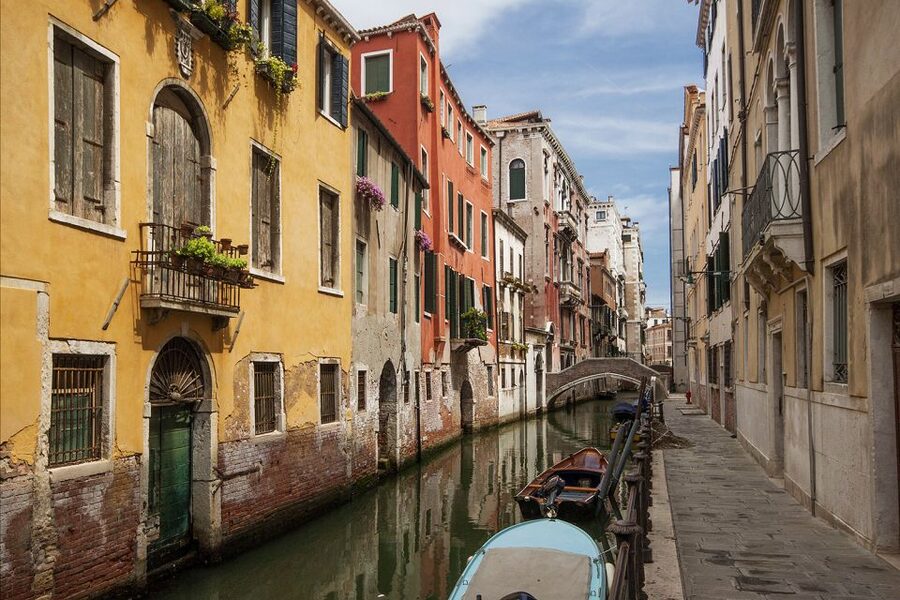
After the St. Mark’s portion, you head into Castello, and that’s where this tour really earns its value. The itinerary is designed to get you away from the thickest tourist traffic and into a more residential side of the city, the kind where everyday life shapes the streetscape. Instead of just looking at Venice, you’re walking through it.
This part of the tour is built around the way Venice actually works: narrow calli (lanes), bridges, winding canals, and broader campi (squares that feel more local than the big-ticket areas). You’ll get a guided path through a labyrinth of streets, and the payoff is that the photos start to feel more personal—different shutters, doorways, and small architectural details that don’t scream tourist.
Castello also helps you understand Venice’s “human scale.” When you’re walking, you notice things you miss from a vaporetto seat: the closeness of buildings, the way the bridges funnel you forward, and how the city’s layout keeps surprising you with a new view at every turn.
The specific stops you’ll want your camera ready for
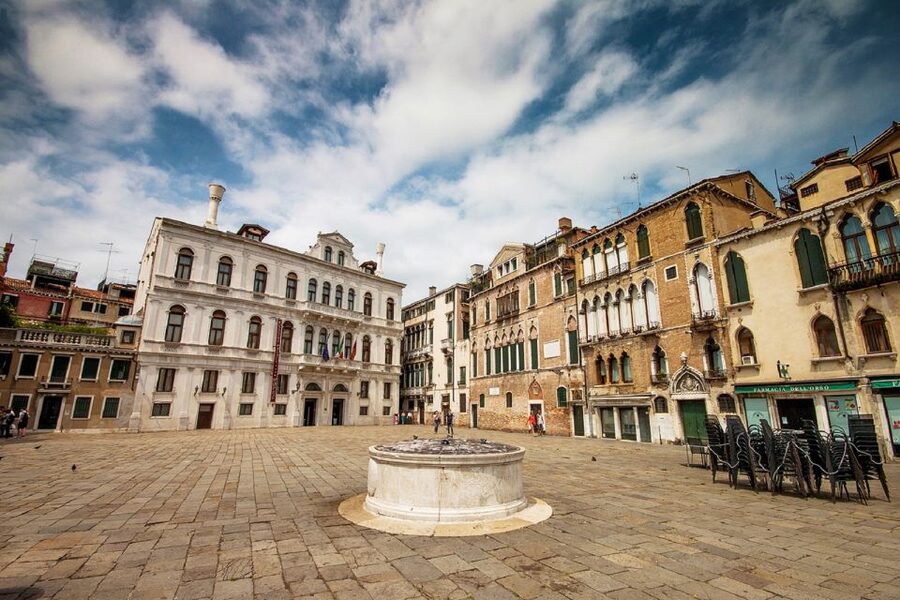
This isn’t just one long walk. The tour threads together several Venice anchors, and each one adds a piece of the story.
Santa Maria Formosa Square
One highlight is Santa Maria Formosa Square, described as one of the larger squares in Venice. You’ll see the church there, named after its visitation to the Holy Virgin, plus Saints Giovanni and Paolo. Even from the outside, it’s a good stop because squares are where Venice’s civic and religious life overlaps—and that’s part of what you’re learning as you go.
Saints Giovanni and Paolo Square
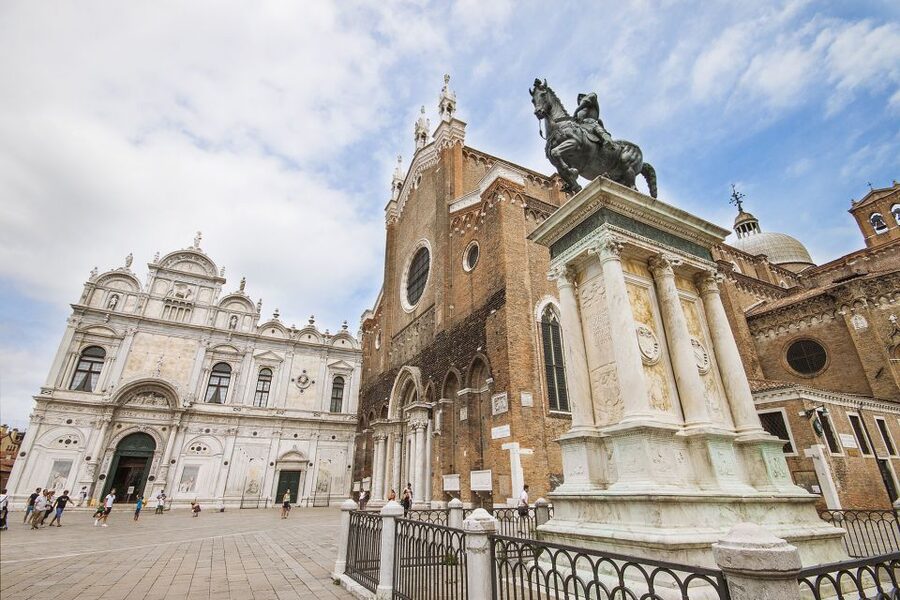
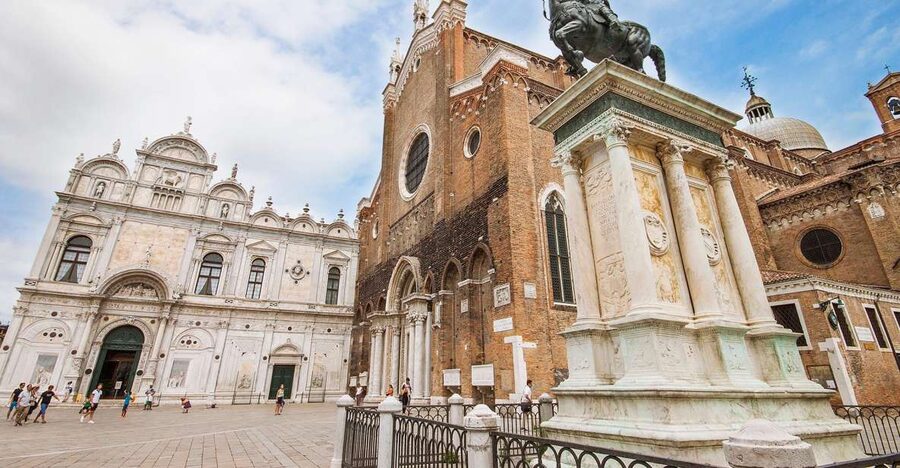
Next is Saints Giovanni and Paolo Square, where you can admire the church that’s closely tied to Venice’s leadership. The tour route includes the fact that it’s the resting place of several Doges, which helps you connect what you hear on the ground to the bigger political picture of the Republic.
You’ll also see the equestrian monument of Bartolomeo Colleoni, an Italian mercenary captain. It’s the kind of detail that often gets passed over by people rushing from one famous bridge to another—so having a guide point it out is genuinely useful.
Marco Polo’s former residence and the Malibran Theatre
The tour also points out Marco Polo’s former residence. Even if you’re not a deep history person, this stop helps you feel how Venice shaped (and was shaped by) trade and travelers—because Venice’s wealth wasn’t abstract. It came from networks, ships, and people like Polo.
You’ll also pass by the Malibran Theatre. From the outside, it’s not about buying tickets. It’s about seeing how Venice supports arts and public gatherings alongside the religious and political anchors. For me, it’s one of those “Venice isn’t only monuments” reminders.
Getting to the gondola: Saint Moisè Square as your water gateway
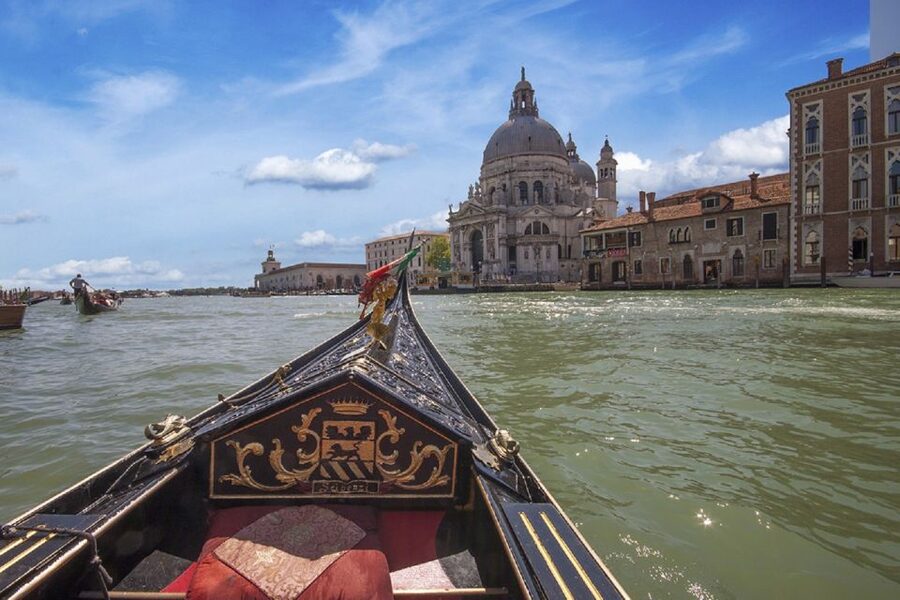
Once the walking portion ends, you’ll be accompanied to Saint Moisè Square, the gondola landing stage. This is a key transition point in the tour because it changes the pace. On foot, you’re in tight lanes and frequent turns. On the gondola, you slow down and let the city open around you.
This is also where the tour structure matters: the walk is guided and the gondola is a ride, not a second guided lecture. That means you’ll get the “why” mostly on land, then you’ll get the “wow” from the water view.
Practical tip for the gondola moment
Try not to treat Saint Moisè Square like a sightseeing stop where you wander. Arrive ready to board. You’ll have a short walk from the tour’s conclusion spot back toward St. Mark’s area after the ride.
Gondola ride time: Grand Canal views plus quieter side canals
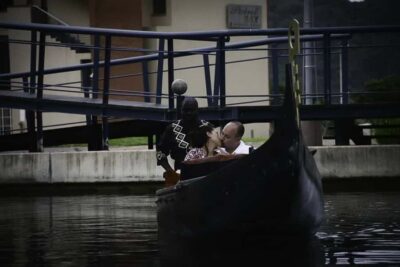
Your gondola ride runs along the Grand Canal and also passes through minor canals. That combination is smart because it keeps the experience from becoming one-note. The Grand Canal gives you the big, dramatic Venice picture: palaces and architecture lining the main waterway. The smaller canals do something different—they make Venice feel quieter, narrower, and more intimate.
During the ride, you’ll glide under bridges and pass by palaces where you can spot entrances and hidden-feeling corners from the water level. You won’t be stepping inside any of these buildings, but the perspective is real: you’re seeing the city’s “front doors” and private edges as the water reveals them.
One verified booking described the side-canal portion as a nearly 40-minute ride through calmer, quieter areas away from the strongest noise. Your exact timing can vary by route and operations, but the idea is consistent: you’re not just riding the headline canal.
Group size and the shared gondola reality
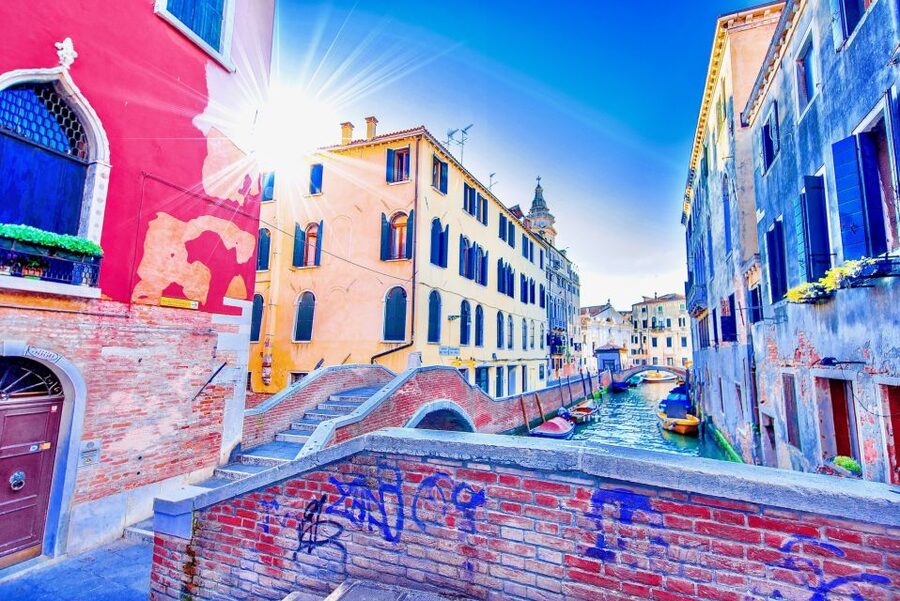
This gondola is shared, with a maximum of 6 persons per gondola. For most people, that’s a good middle ground. You get a social experience, but you’re not packed in with a huge group where you feel squeezed.
Also remember one key difference in expectations: the gondola ride is not guided. That doesn’t mean it’s silent or bad; it just means you shouldn’t plan on your gondolier serving as a live tour guide. If you’re hoping for a lot of spoken history on the water, this tour focuses that part on the walking guide instead.
There’s another subtle thing here: because it’s shared, you’ll likely spend part of the time settling in, adjusting positions, and getting the best photo window. If you want clear photos, keep your phone/camera ready before the gondola leaves the landing area.
Price check: does $79 make sense for what you get?
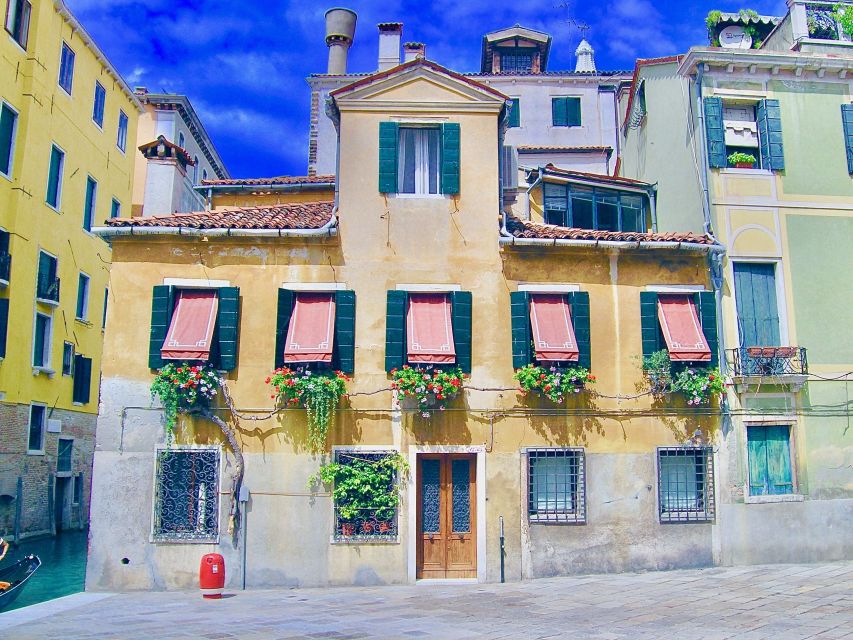
At $79 per person for a 2.5-hour combined experience, the value comes from the mix: you’re paying for a guided walking tour with a professional local guide plus a gondola ride. You’re not paying for museum tickets or a long, inside-focused program.
You also get an audio system and headset, which is one of those “small” inclusions that makes a real difference in Venice. It’s easier to hear commentary over street noise and foot traffic, and you don’t have to stop and lean in constantly.
Is it worth it? If you want a guided route that covers St. Mark’s and then pushes you into Castello, yes. If you only want to ride a gondola and don’t care about the land context, you might feel like you’re paying for the walk too. But for first-timers—or anyone who wants an efficient way to see multiple parts of Venice in one go—this combo is a practical use of your time.
Meeting point and timing: where you’ll stand before you start
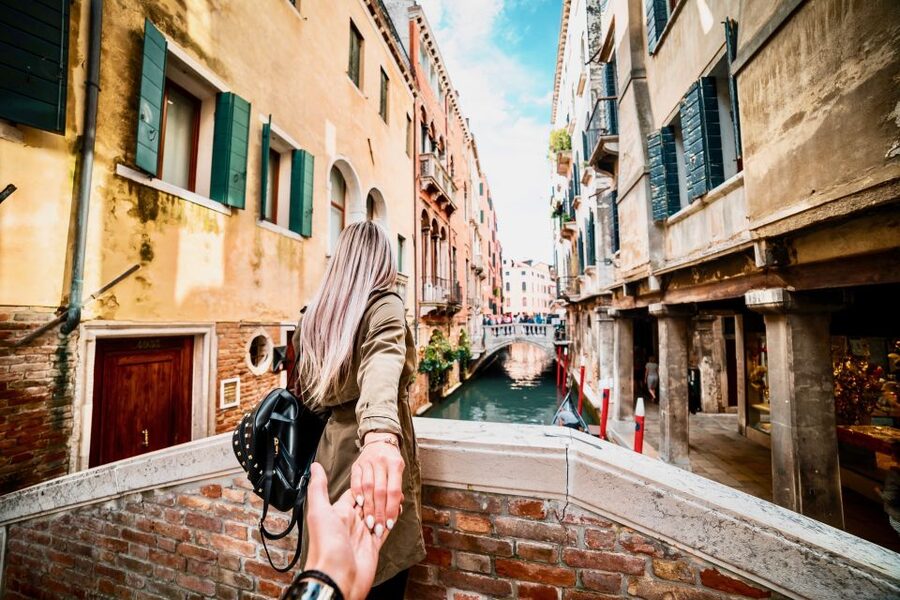
You’ll meet 15 minutes before the booked start time at Calle larga de l’Ascension (30124), located behind the Correr museum, on the side opposite St. Mark’s Basilica. Look for the TURIVE assistant next to the post office San Marco.
This matters because Venice navigation can be a little chaotic if you arrive late. The tour starts from a specific location in a dense area, and the headsets/audio system depends on everyone being ready.
Also note the walk is external only—so don’t expect museum entry lines to be part of the plan. That said, the activity does include skip-the-ticket-line, which likely helps with pre-arranged access for the elements that do require ticketing/time slots.
What to wear and how to handle surprises
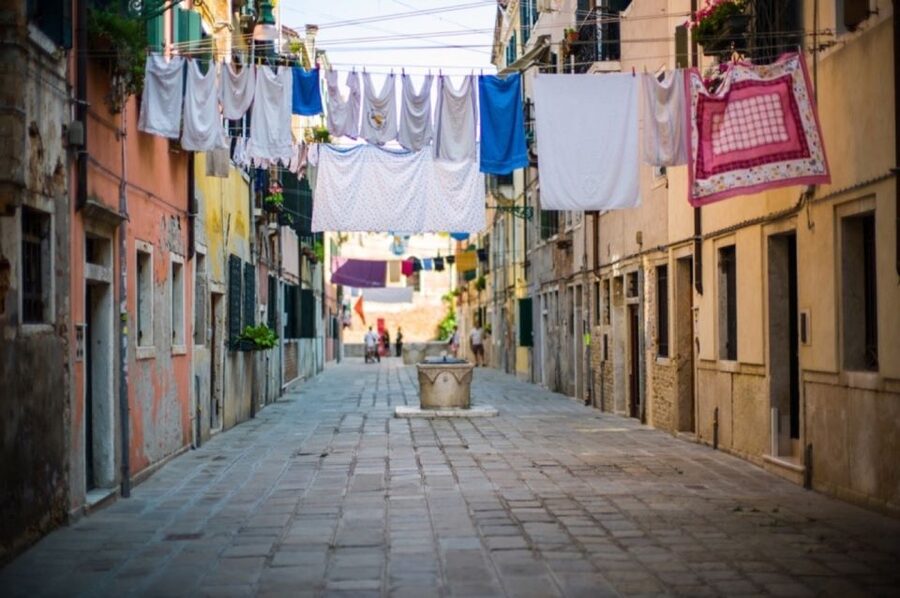
Wear comfortable walking shoes. This is a walking-heavy tour through narrow lanes, bridges, and frequent turns. If your shoes aren’t comfortable, you’ll spend part of the tour mentally counting down instead of noticing what’s in front of you.
A few other realities to plan around:
- Oversize luggage isn’t allowed, so travel light.
- The tour is not wheelchair accessible.
- The gondola ride may not operate during bad weather, high tide, or a gondolier’s strike. If water transport is affected, this part can change.
If you’re visiting around major events, also expect more crowding. One guide-led booking specifically described navigating extremely busy streets during Carnival, which is exactly the kind of moment where having a plan and a leader pays off.
Should you book this Venice Walking Tour & Gondola Ride?
Book it if you want a smart, time-efficient Venice hit: St. Mark’s context, a shift into Castello’s calmer residential feel, and then a gondola ride that includes both the Grand Canal and smaller canals.
Skip it if you already know St. Mark’s well and you mainly want gondola time, or if you’re the kind of traveler who expects every minute to be guided on the water. This is a guide-led walk with an on-the-water perspective you get to enjoy, not a second lecture.
If your goal is great photos, good storytelling, and the kind of route that keeps you moving without feeling like you’re just wandering, this one is a strong match.
FAQ
FAQ
How long is the Venice walking tour and gondola ride?
The total duration is about 2.5 hours.
What does the tour include?
It includes a guided walking tour (St. Mark’s Square and Castello), a gondola ride along the Grand Canal and minor canals, and an audio system with headset for commentary.
Is the walking tour guided by a live person?
Yes. The walking portion has live tour commentary in multiple languages.
Is the gondola ride guided?
No. The gondola ride is not a guided tour.
Does this tour include museum or attraction entrances?
No. The walking tour is external only and does not include inside visits to museums or attractions.
Where is the meeting point?
You meet at Calle larga de l’Ascension (30124), behind the Correr museum, on the opposite side of St. Mark’s Basilica. Look for the TURIVE assistant next to the post office San Marco.
What languages is the tour commentary available in?
Live commentary and audio are available in English, Spanish, French, German, and also Italian (for the live commentary list provided).
How many people are in each gondola?
Each gondola is shared and has a maximum of 6 persons per gondola.
Is the activity wheelchair accessible?
No. This activity is not wheelchair accessible.
Are kids allowed, and do they pay?
Children up to 5 years old go free with required documentation. From age 6, they must pay the full ticket.