REVIEW · SEOUL
Seoul: Paju DMZ Private Tour with Former US Military Base
Book on GetYourGuide →Operated by KTOURSTORY · Bookable on GetYourGuide
A tunnel walk in total silence. This private DMZ tour from Seoul hits three of the most talked-about stops: the Third Infiltration Tunnel and its cramped descent, plus the chance to view North Korea through telescopes at Dora Observatory. I also like the way the day is structured so you don’t just hop between sights; you move from war memory to real military infrastructure and then to the long, tense present.
One heads-up: the tunnel experience is tight and dim, with a helmet required before you go in. If you’re sensitive to claustrophobic spaces, plan extra mentally for the cramped walk, because this is not a stroll.
In This Review
- Key points worth knowing before you go
- A DMZ day from Seoul: what 10 hours actually means
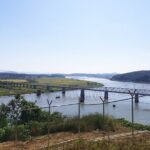
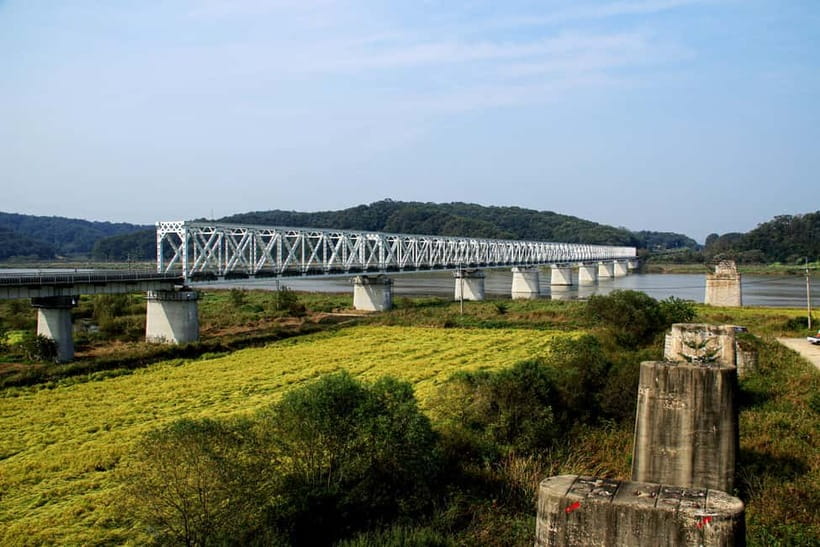
- Imjingak Park over the Imjin River: where memory meets the border
- Camp Greaves relics: former U.S. base turned peace-culture site
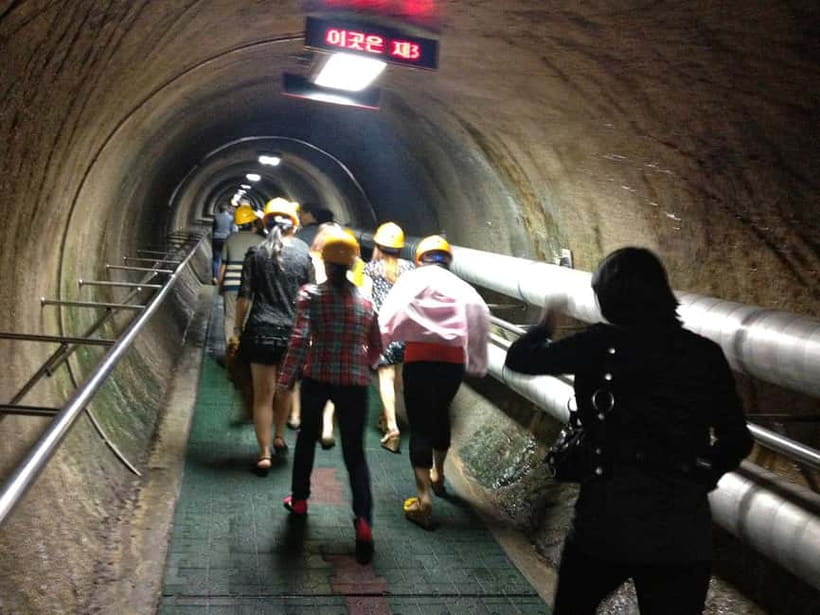
- The Third Infiltration Tunnel: the claustrophobic part you can’t fake
- Dora Observatory: peering at North Korea through telescopes
- Lunch, free time, and pacing at Paju-si
- Price and logistics: does $483 make sense for this DMZ day?
- What to bring, and how not to get stopped at the border
- Who should book this Paju DMZ private tour
- Should you book this DMZ tour?
- FAQ
- What sites are included on this DMZ day trip?
- How long is the tour?
- Is hotel pickup and drop-off included?
- What languages is the guide available in?
- Do I need a passport?
- Are meals included?
- Is the Peace Gondola ticket included?
- Is this tour stroller or wheelchair accessible?
- What’s the cancellation window?
Key points worth knowing before you go
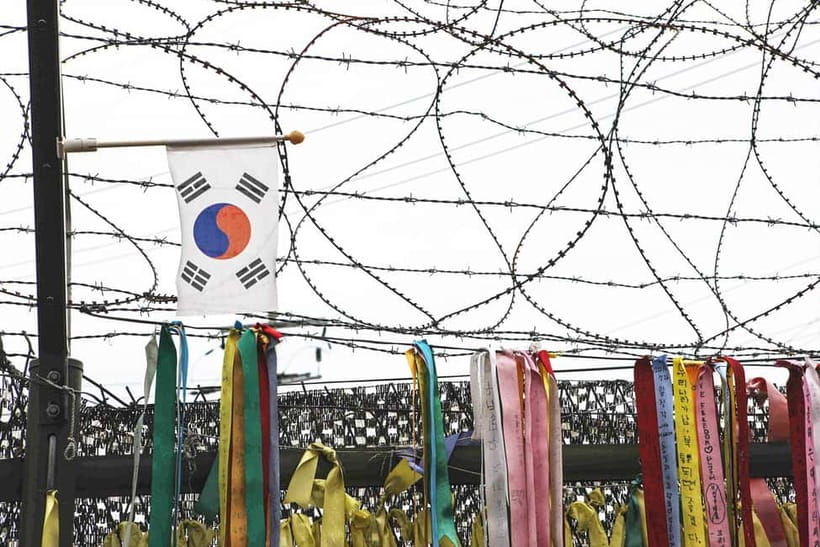
- Third Infiltration Tunnel (1.6 km) in real conditions: helmets on, then a dim, narrow descent that makes the scale feel immediate.
- Dora Observatory telescopes: on clear days, you may be able to make out border towns like Kaesong, and even statues of Kim Il-sung.
- Camp Greaves former U.S. military base relics: old barracks and facilities turned into peace-focused exhibitions and interactive programs.
- Imjingak Park and Imjin River views: a memorial-style space built for history, remembrance, and reunification hopes.
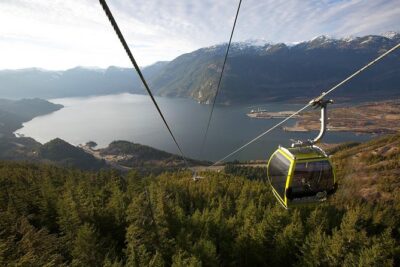
- Optional Peace Gondola across the Imjin River: a separate add-on with an extra ticket cost.
- Private, guided day with hotel pickup: the guide handles the flow and translation (English and Chinese), so you’re not wrestling logistics on a tight schedule.
A DMZ day from Seoul: what 10 hours actually means
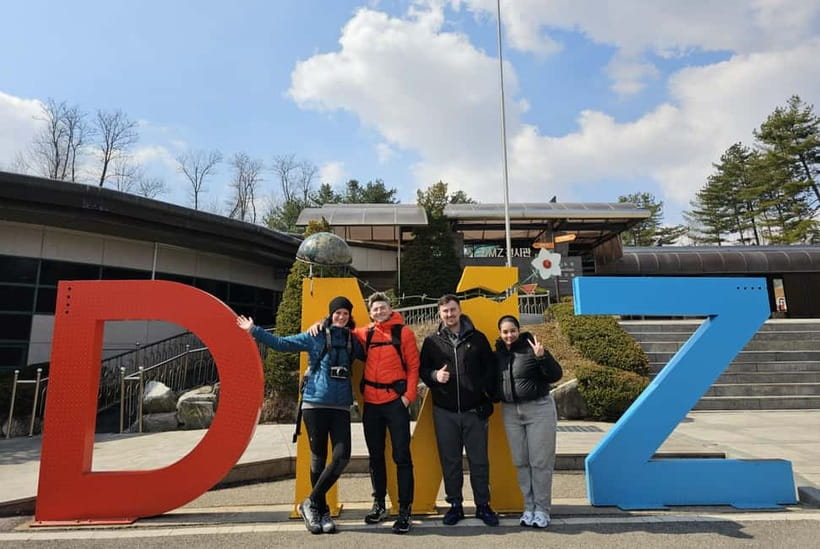
This is a full day out of Seoul, sized at about 10 hours, with hotel pickup in central Seoul and multiple sightseeing blocks packed into one run. Expect travel time between sites and some waiting in the schedule where timing can be affected by traffic and weather. The practical win is that you don’t have to figure out transfers, entry logistics, and time coordination by yourself.
The tour is also priced at $483 per person, which is the big number you’ll stare at. Here’s the value logic: you’re paying for round-trip transportation, a private guided experience (English or Chinese), and DMZ-related admission fees plus the Camp Greaves experiences fee. Meals and the gondola ticket are not included, so the real cost of your day is the base price plus whatever you choose for lunch and optional add-ons.
One more detail that matters for comfort: this trip is not stroller and wheelchair-accessible, and you should assume there’s walking throughout the day, including time in the tunnel.
Imjingak Park over the Imjin River: where memory meets the border
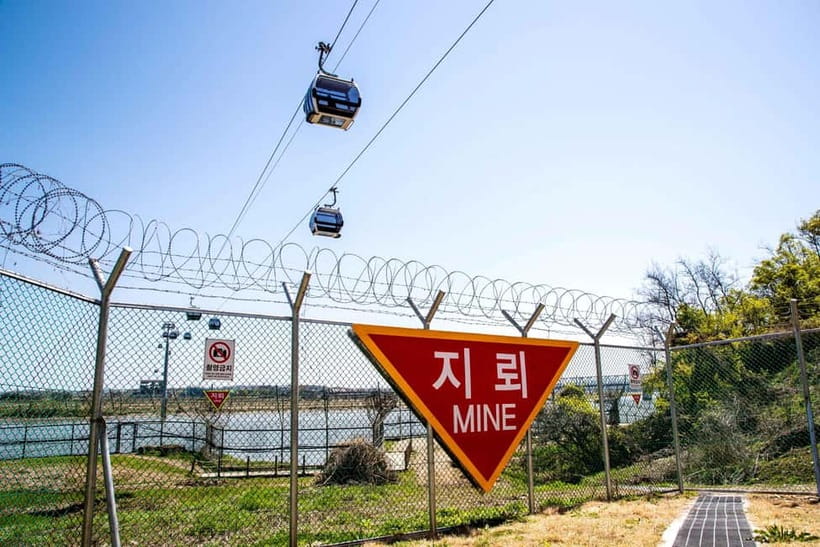
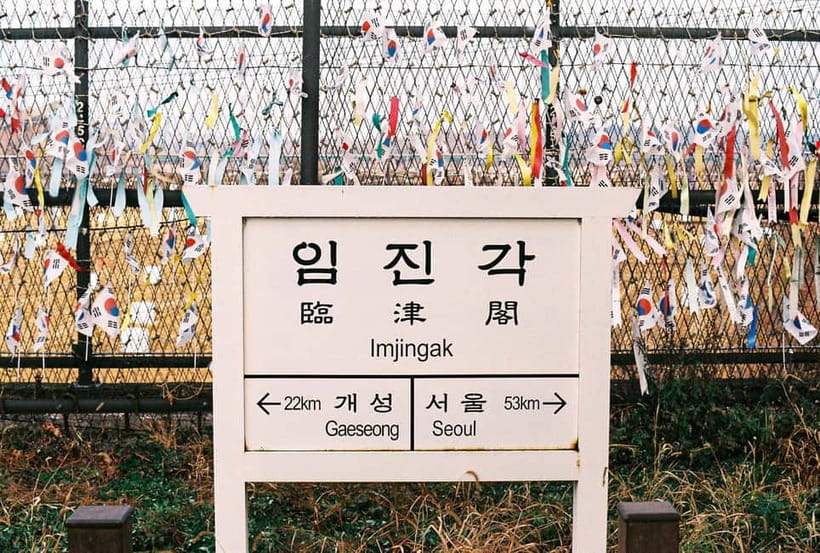
Your morning starts with a drive to Imjingak. Once you arrive, Imjingak Park is your first emotional stop of the day: a memorial space tied to the Korean War and the ongoing hope for reunification. The big draw here is perspective. You’re not just looking at history behind glass; you’re looking out toward the region shaped by that war.
You’ll have a set window to explore and take in the view. The Imjin River and the historical border landscape nearby help explain why this area matters so much in Korean memory. This is the kind of place where your guide’s narrative really changes what you see. Instead of treating it as a scenic overlook, you start noticing the intentional mix of remembrance and reality.
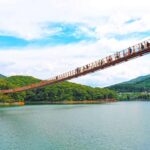
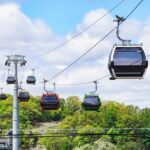
There’s also an optional add-on: the Peace Gondola ride across the Imjin River. The gondola itself isn’t included in the base package, so plan on an extra ticket cost if you want it. If you’re short on time or budget, you can still get a strong experience just from the main park and viewpoints, plus the guide’s context.
Practical tip: since your schedule moves quickly after this, I’d treat Imjingak as your moment to slow down. Use your free time to stand where you can actually take in the view, not just snap photos and rush onward.
Camp Greaves relics: former U.S. base turned peace-culture site
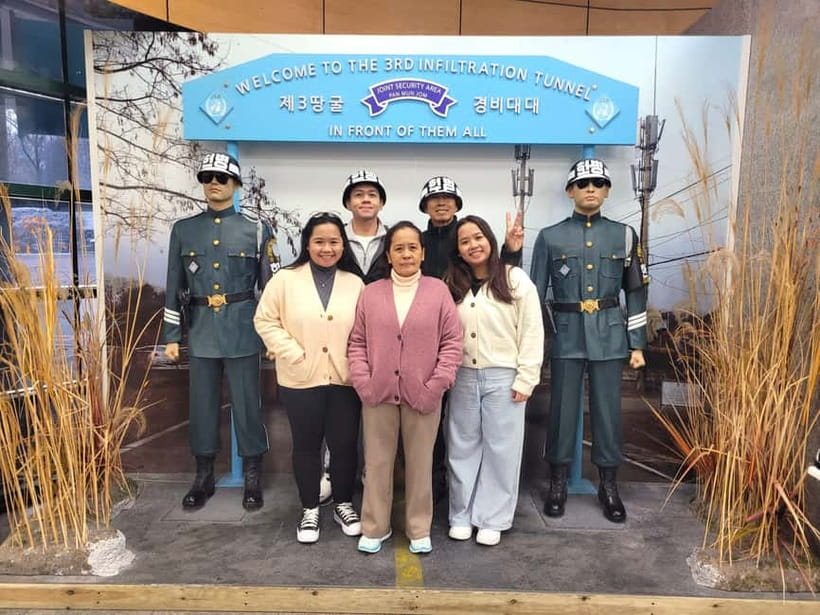
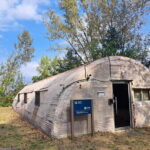
After Imjingak, the tour heads to Camp Greaves, a former U.S. military base used during the Korean War. What I like about this stop is the way it bridges two worlds. You’re looking at Cold War-era infrastructure—barracks and military facilities—but the site is now presented as a peace and culture experience.
You’ll have time for a photo stop and then a longer visit (about an hour), which is important because this is where you need a moment to absorb details. Old military layouts can feel overwhelming if you don’t know what you’re looking at. With an English-speaking or Chinese-speaking guide, the explanations help you connect the dots between what the base represented and what the area became after the cease-fire.
A nice bonus is that Camp Greaves has also been used as a filming location for popular Korean dramas. Even if you don’t care about TV, this can help you recognize the vibe of the buildings and understand why the place has such strong visual character.
Small-group feel matters here. In past groups, people have reported small numbers—like four or six—so you get more chances to ask questions without feeling like you’re being rushed through walls of other tourists. If you value that, this tour style is a good match.
The Third Infiltration Tunnel: the claustrophobic part you can’t fake
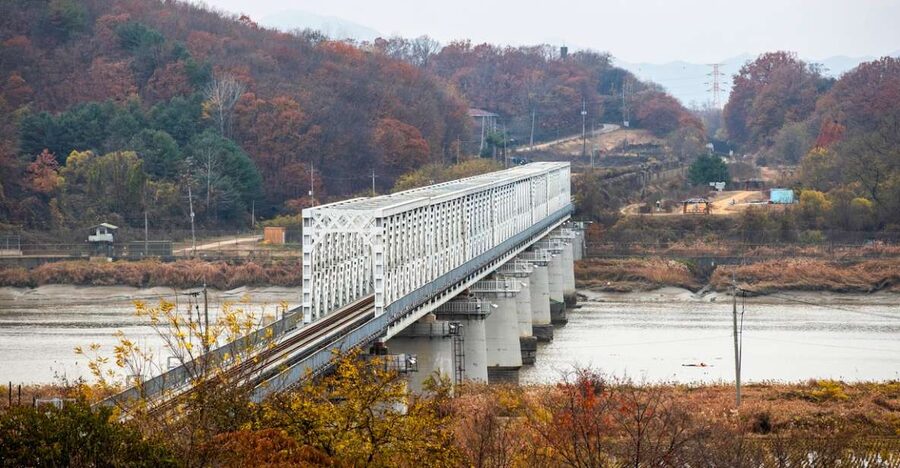
Then comes the most physically memorable stop: the Third Infiltration Tunnel of Aggression. The tunnel is described as a secret military passage discovered in the 1970s, dug by North Korea during the Cold War, and it runs over 1.6 km. For you, the key point isn’t the distance on paper. It’s how the conditions translate the story.
Before you enter, you’ll don a safety helmet. Inside, it’s cramped and dimly lit. The walk is part sightseeing, part experience, and the day includes about two hours total for the tunnel segment and walking. That time matters because you need space to descend, proceed, pause where allowed, and come back up without feeling like you got a five-minute taste and were pushed out.
Here’s why I think this stop is worth the discomfort risk: it turns abstract politics into bodily understanding. You feel how limiting the environment would be in any kind of mission, and that alone changes how you interpret the border’s tension.
If you’re deciding whether this tour is right for you, take the tunnel seriously as a comfort test. If claustrophobia or breathing anxiety is a concern, you’ll likely find this segment stressful. If you can handle tight spaces, it’s the day’s strongest “history in your senses” moment.
Dora Observatory: peering at North Korea through telescopes
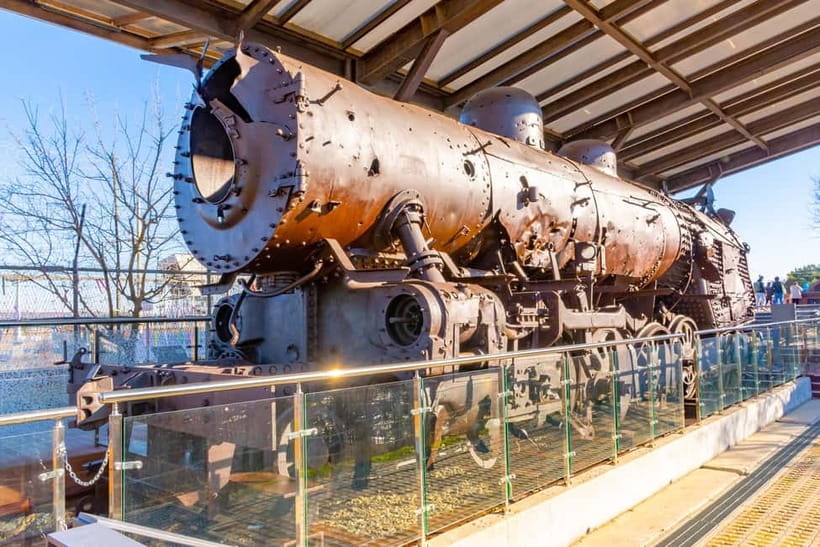
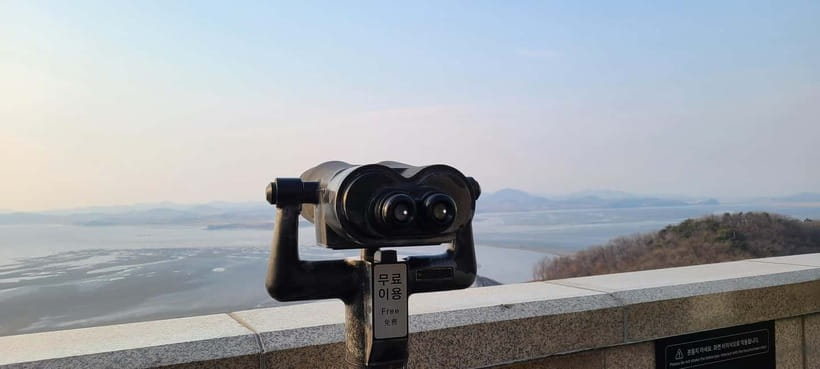
After the tunnel, you head to Dora Observatory, positioned at the highest point of the DMZ’s northern line. This is the most visually intense stop because it’s the one where your experience becomes immediate. Dora is one of the rare public areas where you can look into North Korea using telescopes.
Your time here is flexible—about an hour—so you can line up at the telescope and then still have a bit of room to wander, read, and take in the setting. On clear days, the telescopes can reveal areas such as Kaesong, and even statues of Kim Il-sung. That last detail is exactly why weather matters. If the day is hazy, your view may be less dramatic, so don’t plan on guarantees.
This is also where your guide’s explanation really pays off. The observatory is a single viewpoint, but it symbolizes the entire DMZ idea: watching, measuring, and waiting. Seeing the border towns conceptually, then seeing them through telescopes when conditions allow, makes the political reality feel less distant.
If you care about photos, arrive with the expectation that visibility will affect results. Don’t waste time arguing with the weather. Just enjoy what the day gives you.
Lunch, free time, and pacing at Paju-si
Between major sights, the itinerary includes lunch and free time around Paju-si (about 1.5 hours). This is an important part of the day because you’ll want a break after the earlier stops. Meals are not included, so you’ll be on your own for lunch.
If you’re picky about food or you’re sensitive to schedule changes, I suggest treating this section as your buffer. Eat something that keeps your energy steady for the observatory stop. If you’d rather not gamble on finding exactly what you want during the free window, consider bringing a snack to hold you over—especially helpful if your day runs later due to traffic or weather.
Price and logistics: does $483 make sense for this DMZ day?
Let’s break down the value in plain terms. At $483 per person, you’re covering:
- hotel pickup and drop-off in central Seoul
- round-trip transportation
- English and Chinese speaking guide
- DMZ admission fees
- Camp Greaves experiences fee
Not included are meals and the gondola ticket (if you choose it). Traveler’s insurance and other personal expenses are also on you.
So is it worth it? For me, it makes sense if you want:
- a structured day with DMZ entry and site access handled
- a guide who can explain what you’re seeing, not just point it out
- a private format (so your questions aren’t competing with a giant group)
If you’re the kind of traveler who enjoys reading maps and building your own route, you might question the price. But the DMZ is one of those places where coordination and accurate timing matter. A guided private tour reduces the stress of getting the day wrong.
Also, guide quality seems to be a major strength. People have described guides such as John, Jenny, Jonathan, Julie, Nammin, Chuck Park, Cecilia, Jae Seo, and Joo Lee as friendly, organized, and question-friendly. That matters because you’ll get more out of Dora and the tunnels when you understand the story behind them.
What to bring, and how not to get stopped at the border
Bring your passport. You’re also asked to bring a valid ID for all guests, including children, and the details need to match your passport info. If the information doesn’t match, you may be denied entry into the DMZ area. In other words, double-check your booking details before you show up with your documents.
Expect the itinerary to shift slightly based on weather and traffic. That’s normal for this kind of route. Dora in particular benefits from clear visibility, while the tunnel segment depends less on weather and more on the fact you’re going in regardless.
Comfort checklist:
- wear shoes you can walk in comfortably
- plan for a long day
- if you’re worried about tight spaces, treat the tunnel as the main risk
Who should book this Paju DMZ private tour
This tour fits you best if you want a single-day “greatest hits” approach to the DMZ, but you also want it guided with context. It’s a strong choice for first-time visitors who feel intimidated by the sheer seriousness of the border and want explanations that help the places make sense.
You might not love it if:
- you hate cramped spaces (the tunnel is dim and tight)
- you need stroller access or wheelchair access (this tour isn’t stroller/wheelchair-friendly)
- you’re looking for an easy, slow sightseeing day with lots of downtime
If you’re traveling as a couple, with friends, or as a small family group that doesn’t need accessibility accommodations, the private format can make the day feel more personal, especially since some departures have been reported as quite small.
Should you book this DMZ tour?
Yes, if you want one day that connects war memory to real infrastructure, and you’re ready for the tunnel experience. The best part of this tour is not one single stop—it’s the sequence: Imjingak sets the tone, Camp Greaves shows the military past with peace-focused interpretation, the Third Tunnel forces you to feel the physical reality, and Dora Observatory gives you the rare telescope view that turns the border from an idea into something you can almost see.
I’d book it if your idea of a good trip includes asking questions, listening carefully, and being willing to trade comfort for understanding. And if you’re price-sensitive, do the math up front: meals are on you, and the gondola is optional. Plan for those costs so the day stays smooth.
If you want a DMZ day that’s organized, guided in the language you choose, and built around the places that most clearly explain the divide, this one is a solid pick.
FAQ
What sites are included on this DMZ day trip?
You visit Imjingak Park, Camp Greaves, the Third Infiltration Tunnel of Aggression, and Dora Observatory. There’s also an optional Peace Gondola ride at Imjingak.
How long is the tour?
The tour duration is 10 hours.
Is hotel pickup and drop-off included?
Yes. Hotel pickup and drop-off is included, available within central Seoul.
What languages is the guide available in?
The tour includes an English and Chinese speaking guide.
Do I need a passport?
Yes. A passport is required, and you should also bring a valid ID for all guests on the tour day.
Are meals included?
No. Meals are not included, though lunch/free time is provided during the day.
Is the Peace Gondola ticket included?
No. The Peace Gondola ticket is not included, but you can add it for an extra fee.
Is this tour stroller or wheelchair accessible?
No. The tour is not stroller and wheelchair-accessible.
What’s the cancellation window?
You can cancel up to 24 hours in advance for a full refund. The tour can also be canceled due to security reasons.