REVIEW · SEOUL
Ultimate Korea DMZ Tour from Seoul (Gondola & Suspension Bridge)
Book on Viator →Operated by VIP TRAVEL Co.Ltd · Bookable on Viator
If you want a DMZ day that actually moves, this is it. From Seoul, you’ll cross the line into Korean War sites, then ride a gondola for big-picture views. You’ll also tackle the Third Tunnel and finish at Dora Observatory, one of South Korea’s closest looks toward the North.
What I like most is how the tour packs major checkpoints and memorials into one route, not just one highlight. I also like the steady guidance—stops are timed so you don’t feel lost, and guides (Nancy, Diane, Emily, Crystal, and others are often singled out) keep the group moving while explaining what you’re looking at.
One thing to consider: there’s real walking. The tunnel visit and some uphills can be tough, and there are no stated alternatives for mobility limits. If you have knee or stamina issues, plan carefully before you sign up.
In This Review
- Quick hits before you go
- Value check: what $35 buys you in a 7.5-hour DMZ day
- Meeting in Seoul: three easy starting points for a long day
- Imjingak Pyeonghwa-Nuri Park and the Bridge of Freedom: where the war shows up as symbols
- DMZ gondola over the Imjin River: the viewpoint that makes the day click
- The Tunnel stop: Third Tunnel takes effort, and that’s part of why it matters
- Dora Observatory: a wide look across the border that’s worth the wait
- Memorial stops that keep the story human: Mangbaedan, Peace Bell, Dokgae Bridge
- Unification Bridge checkpoint: bring ID and accept the pace
- Photo limits near North Korea: what that means for your camera plans
- Optional suspension bridges near the DMZ: a lighter moment with big views
- Food and the pace reality: no lunch included, and you’ll feel it
- Who this tour suits best (and who should think twice)
- Should you book this DMZ tour from Seoul?
- FAQ
- What’s included in the price?
- Is pickup available?
- Where do I get dropped off after the tour?
- Do I need a passport or ID?
- Is the DMZ gondola ride required?
- Is lunch included?
- Are there any optional suspension bridge stops?
- What’s the cancellation policy?
Quick hits before you go
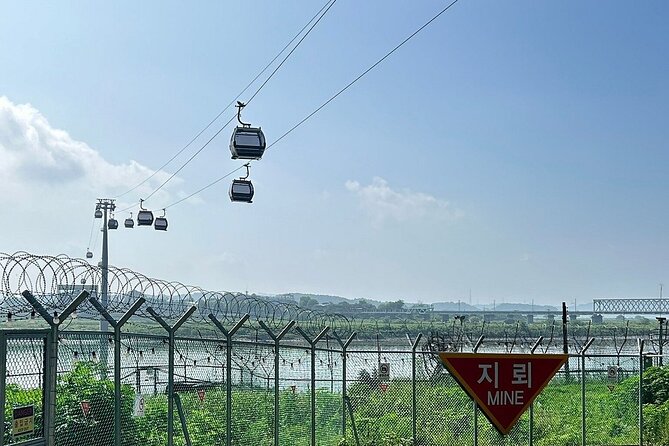
- Gondola ride over the Imjin River gives a high, dramatic view in a way you can’t get from the ground
- Third Tunnel + Dora Observatory means you see history up close, then switch to wide border-range views
- Multiple memorial stops connect the war story to family separation and reunification hope
- Clear photo and military-photo limits can affect what you can capture on camera in some spots
- Optional suspension bridges add a fun, view-focused break from the heavier sites
Value check: what $35 buys you in a 7.5-hour DMZ day
At $35 per person, the big question is whether this is “cheap” or just “cheap-feeling.” In this case, it mostly looks like good value because a lot is included: air-conditioned transportation, a top-rated guide, and admissions/tickets for multiple key sites.
You’re also not paying extra just to get to the DMZ. The day is built around round-trip movement from Seoul with several timed stops. And with a group size capped at 150, you’re not stuck in a tiny bus with no organization, or in a massive crowd where guide attention gets diluted.
The tradeoff? The schedule is full. Some stops include ticketed entry; others are shorter, free-entry views. That means you’ll be on your feet and moving between places. If you’re the type who hates rushing, you may feel the pace. If you like structure and a “see it all” day, it fits.
Meeting in Seoul: three easy starting points for a long day
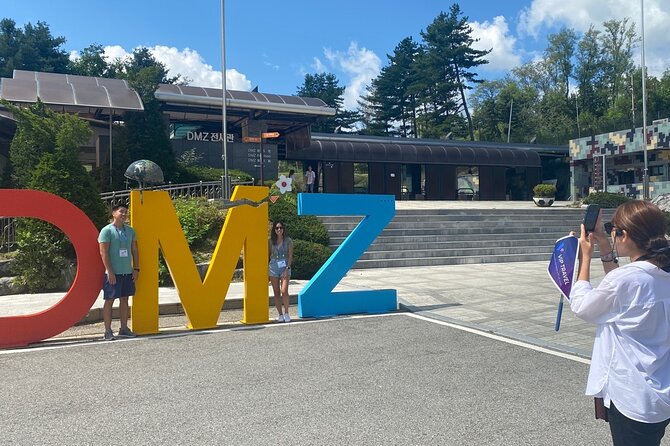
This tour uses three downtown meeting points, which helps a lot if you don’t want to trek across Seoul just to start a day trip:
- Myeongdong Subway Station (Exit 9)
- Seoul City Hall Subway Station (Exit 6)
- Hongdae Subway Station (Exit 3)
From a practical point of view, this is smart. Seoul can be confusing when you’re tired, and having multiple exits reduces stress. You’ll want to arrive early enough to find the exact pickup point and be ready to go—DMZ days have less flexibility once you’re on the road.
You’ll get a mobile ticket, which keeps things simple. And there’s pickup offered, but you’ll typically disembark in one of those central areas afterward (City Hall, Hongdae, or Myeongdong), so you can plan dinner and shopping without another transfer.
Imjingak Pyeonghwa-Nuri Park and the Bridge of Freedom: where the war shows up as symbols
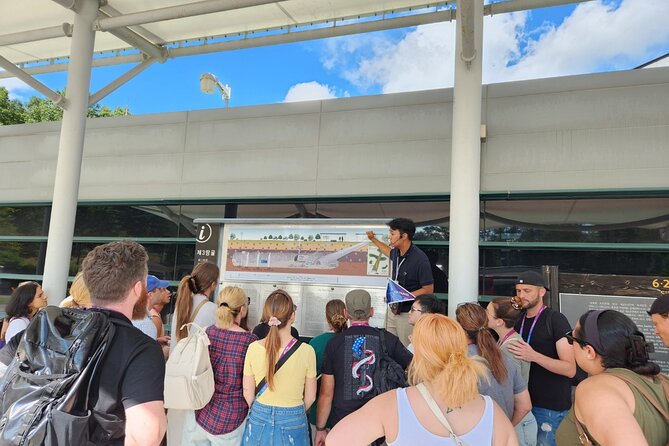
Your day starts by moving from Seoul into the DMZ orbit through Imjingak Pyeonghwa-Nuri Park, a place centered on reunification and remembrance. This is where the mood shifts from “tour” to “meaning.” You’ll walk through exhibits tied to Korean reunification themes and hit key landmarks like the Dokgae Bridge area and the Seoul Battleship Park (not a deep museum tour, but still part of the emotional geography of the region).
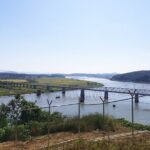
From there, the Bridge of Freedom stop matters. This is tied to the post-armistice period and the movement of prisoners toward the South. It’s not a “pretty bridge” photo stop. It’s a story stop—one of those places where the structure is the vehicle for the history.
Even if you’re not a history buff, you’ll get value here because the tour sets context before you go farther into the controlled areas.
DMZ gondola over the Imjin River: the viewpoint that makes the day click
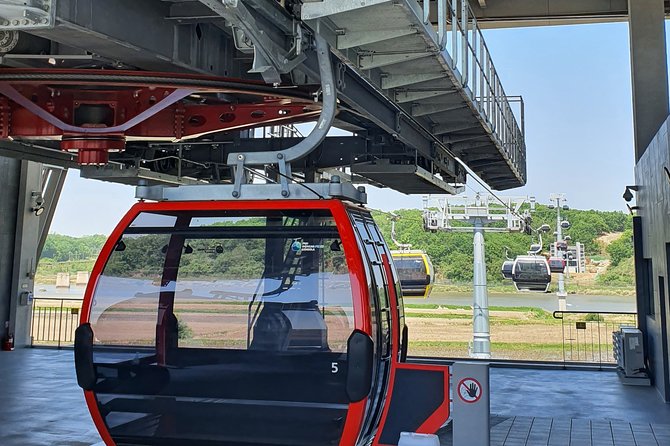
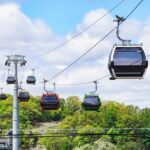
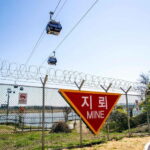
One of the best-value elements on this itinerary is the Paju Imjingak Peace Gondola, an optional add-on. It’s completed in 2020, and it’s designed for exactly what you want on a DMZ day: a different angle.
What’s useful for your decision-making is this:
- It gives you an elevated, birds-eye view while crossing the Imjin River
- It goes beyond the Civilian Control Line, meaning you’re not stuck with the most generic foreground-only views
In simple terms, it helps you visualize how close and how controlled this border zone really is. And because it’s a gondola, it’s one of the few parts of the day that’s more relaxing than trudging around checkpoints and sites.
The main “consideration” is that you’ll still be in a full-day schedule. If you’re already exhausted from earlier walking, you might feel rushed. But if you can pace yourself, it’s the kind of stop that turns the DMZ from an idea into a place you can picture.
The Tunnel stop: Third Tunnel takes effort, and that’s part of why it matters
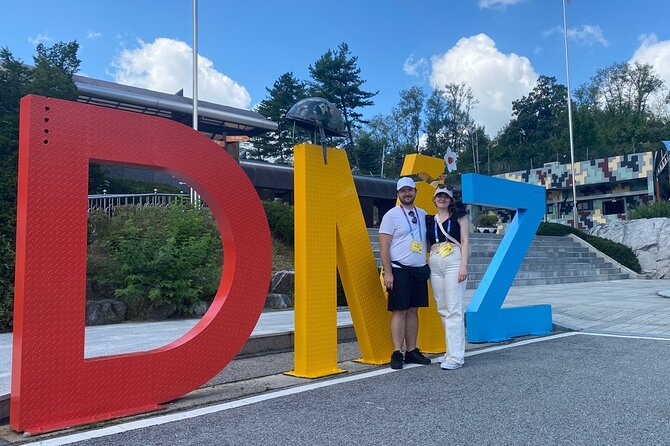
The Third Tunnel is on the route as a must-see stop. It’s also known as the 3rd Infiltration Tunnel, located about 12 kilometers from Munsan and roughly 52 kilometers from Seoul.
The big practical detail: it’s not just a quick peek. You’ll go into a tunnel area where the walking and up-and-down effort can feel harder than you expected. Some guide feedback highlights that there are parts where you’re climbing back up, and a couple reviews call out that the tunnel visit can be physically demanding.
Now for the best way to set expectations: the viewing experience can feel a bit like “window viewing.” If you’re expecting a lot of room to walk around freely inside, you might feel the time is tight. But the value is that you’re standing in a real engineered corridor tied to infiltration plans—not reading about it in a book.
If you handle stairs and can manage short stretches of walking, this is one of the tour’s strongest “on-the-ground history” stops.
Dora Observatory: a wide look across the border that’s worth the wait
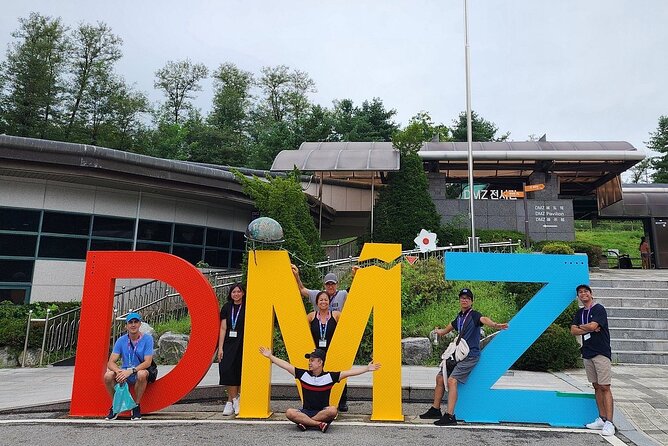
After the tunnel, the tour shifts gears to Dora Observatory. It’s described as South Korea’s closest view of North Korea and was rebuilt in 2018. The observatory is on Dorasan, and it’s set up for looking across the border.
This stop is less about physical effort and more about patience and perspective. You’ll get a range view, and you’ll likely feel the weight of distance: this isn’t a border crossing you can just walk across. It’s the closest kind of witnessing you can do from South Korea’s side.
If you’re sensitive to the heavier mood of the DMZ, Dora may feel intense. If you’re excited by border-range viewpoints, it can be the emotional payoff that ties everything together.
Memorial stops that keep the story human: Mangbaedan, Peace Bell, Dokgae Bridge
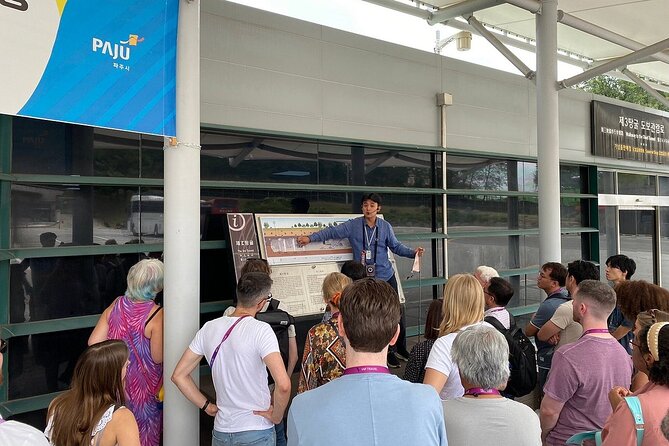
A DMZ tour can turn into a set of concrete facts. This itinerary tries to keep people at the center.
You’ll stop at Mangbaedan Memorial Altar, built in 1987, where families honor loved ones in North Korea. It’s set up around remembrance, especially during holidays. The point here isn’t spectacle. It’s the idea of waiting, missing, and hoping for reunification.
Next, you’ll visit Pyeonghwauijong, the Peace Bell. It’s a massive 21-ton bronze symbol of reunification, cast in 2002. Even if you don’t care about bells, this is a strong visual: a physical object built for a civic hope.
You’ll also see Imjin River Dokgae Bridge (free admission). It’s described as built in 1950 and scarred by the Korean War. The area is a reminder that the boundary isn’t just lines on a map—it’s infrastructure, river crossings, and the places where people once moved.
These memorial stops can feel like emotional weight, but they’re also what prevent the day from feeling like sightseeing theater.
Unification Bridge checkpoint: bring ID and accept the pace
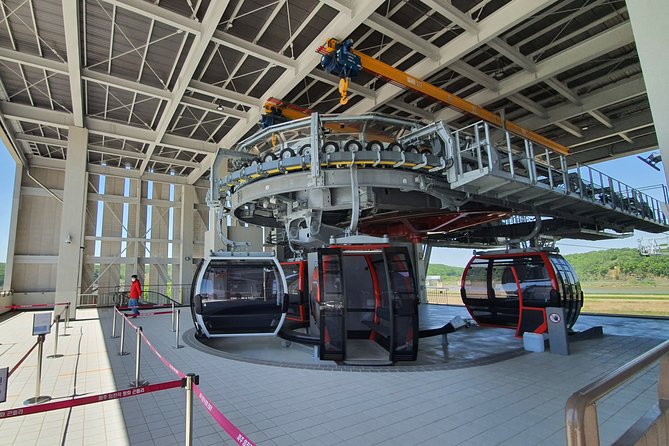
One of the most practical parts of your day is the stop at the Unification Bridge military checkpoint. Soldiers will inspect your bus and do ID verification checks.
Here’s the exact part you shouldn’t guess on:
- Bring your passport, Military ID Card, or a South Korea-issued ARC
If you show up without the right ID, you can create problems for your whole group. This stop is short, but it’s real. Plan to have your documents ready before you arrive.
Also: there can be time sensitivity. Several guide-centered comments emphasize how guides keep groups moving and also manage when photos are appropriate. So keep expectations flexible: this is not a slow, wander-at-your-own-pace day.
Photo limits near North Korea: what that means for your camera plans
A small but important note: you may face restrictions on photos of North Korea from certain areas. One piece of feedback calls out disappointment with not being able to take photos of North Korea in specific spots.
This isn’t a “tour mistake.” It’s tied to military/controlled-area rules. Your best strategy is to treat your camera like a bonus, not your primary plan. You’ll still get plenty of viewing opportunities, but you should prepare for the possibility that a shot you want won’t be allowed.
Optional suspension bridges near the DMZ: a lighter moment with big views
If you want something less heavy mid-day, the tour includes optional bridge add-ons near the DMZ region.
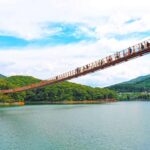
- Gamaksan Chulleong Bridge (optional): a 150-meter-long red suspension bridge near the DMZ region, built in 2018 to honor Korean War heroes.
- Majang Lake suspension bridge (optional): a 220-meter bridge built in 2017 that spans a reservoir.
These bridges are mostly about views and a break from memorials and tunnels. They can also be physically challenging if you’re not used to bridge walking, especially if you’ve already climbed stairs earlier in the day.
The choice here is simple: if you can handle some walking and want a scenic break, it’s worth considering. If you’re conserving energy for tunnel time and Dora, you can skip them.
Food and the pace reality: no lunch included, and you’ll feel it
This tour does not include lunch. That means you should plan your timing and your expectations. A long day with multiple stops can make food feel like an afterthought, so having a plan helps.
Also, the schedule is built for momentum. Even within limited time windows, the tour moves through many sites. Some feedback highlights that the day can involve uphills and walking segments that aren’t always obvious from a simple stop list.
If you hate surprises, wear comfortable shoes and bring water. You’ll be glad you did.
Who this tour suits best (and who should think twice)
This DMZ tour is best for you if:
- you want one day that covers multiple DMZ-related experiences (memorials, tunnel, Dora, and a gondola option)
- you like guided structure and explanations that help you make sense of what you’re seeing
- you travel with family members who can handle moderate walking
This may be a tougher fit if:
- you have limited mobility or low stamina for uneven terrain and tunnel-related stairs
- you need frequent restroom breaks and long pauses between stops (this route is tight)
- you’re very picky about taking photos in border-adjacent areas
Should you book this DMZ tour from Seoul?
If your goal is to see the DMZ region in a single guided day with strong variety, I’d book it. The $35 price point is hard to beat for the amount of included access, transportation, and guided interpretation, especially with the gondola option and major stops like Third Tunnel and Dora Observatory.
Just go in with the right mindset. This is not a relaxed scenic drive. It’s a full day that mixes emotion, rules, and walking. If you’re physically ready for tunnel effort and you bring the correct ID for the checkpoint, you’ll get a day that’s both memorable and meaningful.
FAQ
What’s included in the price?
You get round-trip transportation in an air-conditioned vehicle, all fees and taxes, and a guide. Many site admissions are included in the tour stops. Lunch is not included.
Is pickup available?
Yes, pickup is offered. Your tour also uses central Seoul meeting points (Myeongdong, Seoul City Hall, or Hongdae).
Where do I get dropped off after the tour?
You can disembark at Hongdae, Seoul City Hall, or Myeongdong.
Do I need a passport or ID?
At the Unification Bridge military checkpoint, you’ll need a passport, Military ID Card, or a South Korea-issued ARC for ID verification.
Is the DMZ gondola ride required?
No. The Paju Imjingak Peace Gondola is listed as optional.
Is lunch included?
No. Lunch is not included in the tour.
Are there any optional suspension bridge stops?
Yes. Gamaksan Chulleong Bridge and Majang Lake suspension bridge are optional add-ons.
What’s the cancellation policy?
You can cancel for a full refund if you cancel at least 24 hours before the experience start time. Changes within 24 hours aren’t accepted.