REVIEW · SEOUL
DMZ Guided Tour with Suspension Bridge / Gondola from Seoul
Book on Viator →Operated by Korea Time Tour · Bookable on Viator
Borders feel close on this DMZ day trip. What makes this outing special is that you don’t just read about the Korean peninsula divide, you visit the DMZ buffer zone and walk through the history-heavy sites that sit right at the edge of North and South Korea. I especially like the chance to experience the Third Tunnel and aim for a clear-day view from Dora Observatory.
You also get the practical side handled: round-trip transfers in an air-conditioned vehicle and an English-speaking guide who helps you make sense of what you’re seeing. One thing to consider up front is that the day runs on a strict schedule, and visibility or access can change with weather and conditions on-site (fog can cut the North Korea views, and the tunnel walk has real physical steps).
In This Review
- Key highlights worth planning around
- DMZ feels different when you’re there in person
- Price and what you really get for $35
- How the day runs: strict timing, lots of walking, and real-world pace
- Entering the DMZ: your first stop sets the context
- The Third Tunnel: the highlight, and the part that takes effort
- Dora Observatory and Dorasan Station: chasing the North Korea view
- Gamaksan Chulleong Bridge vs gondola: your option for views and photos
- Second Tunnel Monday: how the route changes on the calendar
- Guides drive the tone: Patrick, Roy, Ki, and the art of explaining hard topics
- Realistic expectations: weather, fog, and political uncertainty
- Who should book this tour, and who should think twice
- Should you book the DMZ Guided Tour with Suspension Bridge / Gondola?
- FAQ
- How long is the DMZ guided tour from Seoul?
- Is the gondola or suspension bridge included?
- Which tunnel will I visit?
- What happens if visibility is poor?
- Are there health restrictions for the tunnels?
- What does the price include?
- What is the cancellation and refund situation if the tour is canceled?
Key highlights worth planning around
- Third Tunnel time and rules: narrow access, intermediate hiking, and health limitations for certain travelers
- Dora Observatory visibility: seeing into North Korea depends heavily on clear weather
- Monday vs Tue–Sun routing: you may do the Second Tunnel on Mondays and the Third Tunnel on other days
- Optional gondola or suspension bridge: choose the view/photos option that fits your stamina
- Guides who balance tone: guides like Patrick, Roy, Ki, April, and Andrew keep serious topics understandable
DMZ feels different when you’re there in person
Seoul can make Korea feel fast, modern, and loud. The DMZ tour changes the tempo. You’re taken to a place built to freeze a conflict in place, and you’ll quickly notice how much effort the peninsula puts into separation, surveillance, and procedure.
This tour is built for learning without DIY stress. You get guided stops that connect the dots: the DMZ itself, tunnel engineering meant to show reach and threat, and viewpoints designed for inspection and deterrence. If you catch the right weather, Dora Observatory can add that rare feeling of seeing the other side of a border you’ve only heard about.
Price and what you really get for $35
At around $35 per person, this tour is good value for a full day that includes transport and multiple paid attractions. That cost matters because DMZ access is never just a ticket. You’re paying for organized movement, entry coordination, and admission fees bundled into a route that would be annoying to piece together on your own from Seoul.
What’s included in the base experience typically covers:
- Air-conditioned vehicle and round-trip transfers
- Admission to the main sites on your day’s route
- An English-speaking tour guide/driver
- The cable car (gondola) and/or a suspension bridge option depending on what you selected
- Optional meeting with a North Korean defector
What’s not included is also worth knowing: meals and beverages, plus any add-on you didn’t choose (gondola and suspension bridge are optional choices when you book). Plan to buy food on your own during breaks, and don’t rely on it being a sit-down lunch.
How the day runs: strict timing, lots of walking, and real-world pace
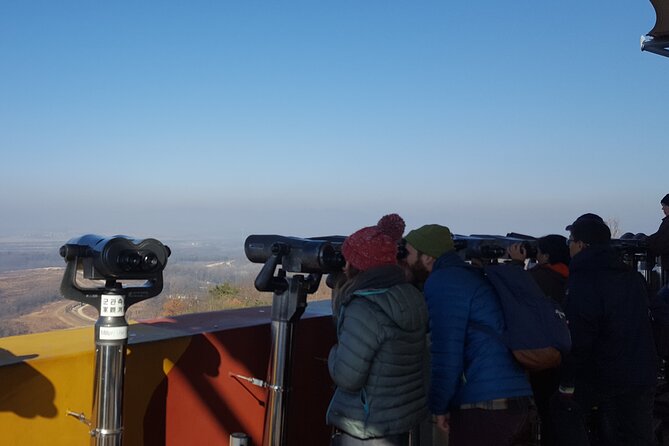
Expect 7 to 11 hours total. The itinerary details can shift depending on traffic, weather, and site access, and the exact drop-off time and location can change. The “approx.” range is not just marketing. It reflects the reality that DMZ-area entry has time windows.
You’ll also be on a tight schedule once you get close to the key stops. Multiple guides and past departures emphasize punctuality because DMZ tickets can have strict time slots. That’s why people who don’t like running from one checkpoint to another may feel stressed.
Bring practical items:
- Comfortable shoes with grip (tunnel steps can be damp)
- A light layer for indoors and outdoors
- A small snack or drink if you tend to get hungry between stops (food timing can be tight)
- If you’re prone to motion sickness, the vehicle ride may be a bit long
Also check your luggage. If you’re bringing large bags, you should discuss size and number of items in advance.
Entering the DMZ: your first stop sets the context
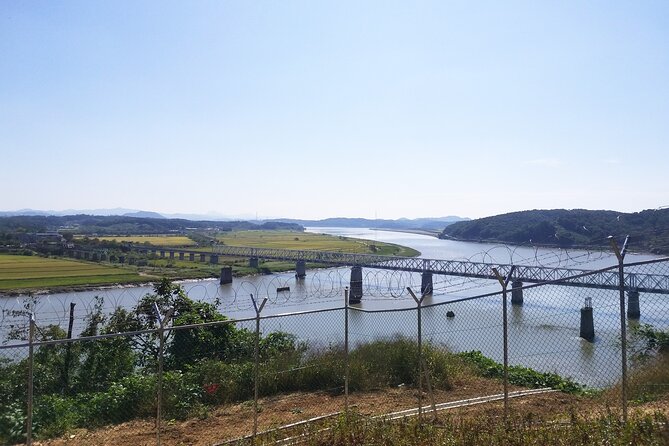
Your first major stop is the DMZ itself, explained as a buffer between North Korea and South Korea. The DMZ covers a stretch about 248 km long, running from Jeongdong-ri in Paju-si to Myeongho-ri in Goseong-gun.
This is where the tour starts to feel more than a sightseeing drive. You’re walking into a space designed to reduce direct contact, but still allow observation and readiness. Even if you’ve read about it before, the physical geography helps: the width, the positioning, and the sense that this is a long-term “pause button,” not a quick tourist landmark.
A nice part here is the learning tempo. The guide doesn’t just point and move. You’ll get framing on why the buffer exists and how the peninsula’s tensions shape day-to-day rules and movement.
The Third Tunnel: the highlight, and the part that takes effort
If your day includes it, the Third Tunnel is the experience most people remember. It was discovered by South Korea in 1978, and it runs about 1,635 meters long with very tight dimensions (around 2 meters in width and height). The distance from Seoul is roughly 52 km, but once you’re in the tunnel route, the “day trip” feeling fades.
Here’s the key practical detail: access comes with restrictions. If you have heart disease or issues with your back or respiratory system, you cannot enter the Third Tunnel. It also involves intermediate-level hiking and requires a physical route down and back up.
In real terms, be ready for steep movement. Past experiences include a steep descent and a steep incline back, with a slippery feel reported when surfaces are wet. You don’t need to be an athlete, but you do need to be steady on your feet and comfortable with short, intense walking segments.
If the Third Tunnel is unavailable, your schedule can swap to another destination. That matters because the tunnel is a major “anchor” of the day. Still, don’t plan your entire emotional highlight around it—leave room for change.
Dora Observatory and Dorasan Station: chasing the North Korea view
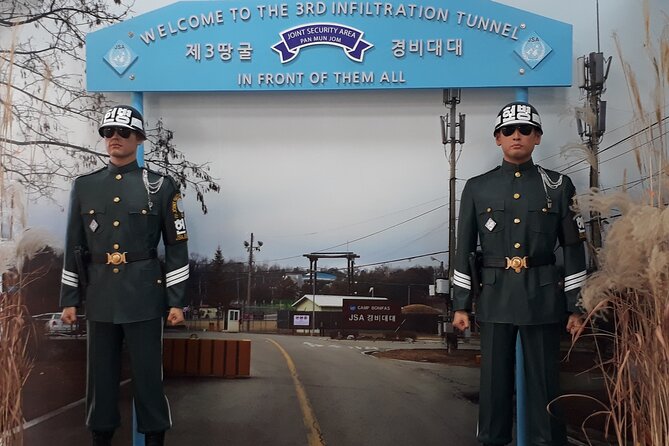
Next up is Dora Observatory, the tour stop designed for the best chance at seeing North Korea on clear days. If the weather cooperates, you may be able to see into North Korea, and the tour also connects this with the broader story of inspection and separation.
You’ll also visit Dorasan Station, described as the last station in South Korea. That detail hits harder than you’d expect. Stations imply movement—trains and travel—and here, the station is framed by a world that limits travel and delays reunification.
Timing is usually tight here too (about 1 hour on the Dora Observatory stop), so don’t assume you’ll spend forever at the viewpoint. Bring patience, stand where you’re told, and use your time for photos only after you’ve looked carefully.
Weather is the big variable. Fog has ruined sightlines before, so if you can choose your travel date, favor clearer days.
Gamaksan Chulleong Bridge vs gondola: your option for views and photos
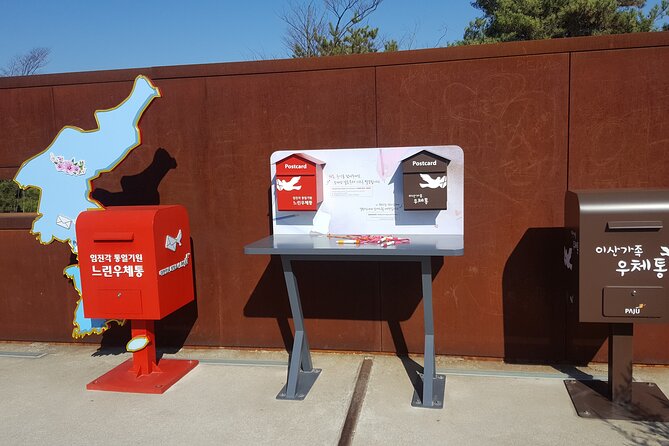
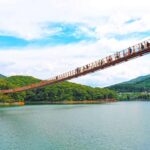
Depending on what you select, you may add Gamaksan Chulleong Bridge near the DMZ area. The suspension bridge option is about time in a specific viewing location rather than long museum-style wandering. It’s described as a bridge where black and blue lights can be seen simultaneously, and the site is built around nighttime-style lighting visuals even if you’re visiting earlier in the day.
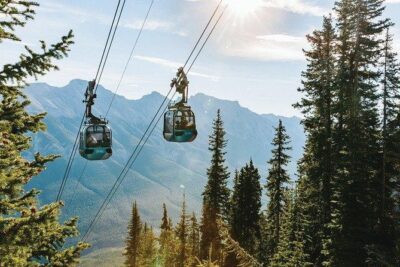
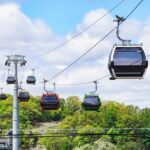
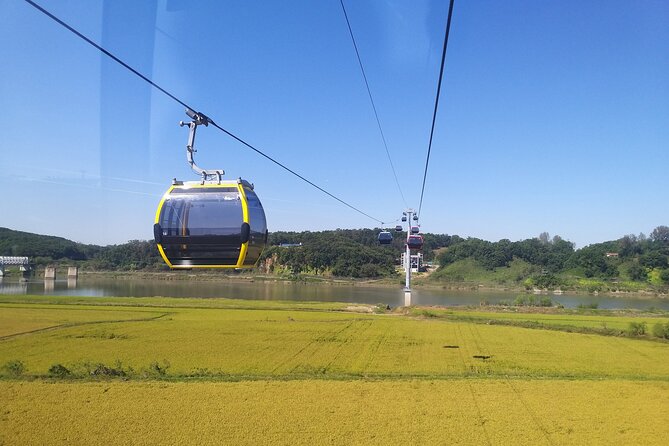
If you choose the gondola (cable car), the tour includes a cable car ticket. This is often a practical add-on: you get a different angle, and it can reduce the feeling that everything is just walking.
One smart way to decide: think about what tires you more—short steep hiking or long photo waiting. If you want the most “DMZ views” for effort, gondola often feels like an easier way to get perspective. If you enjoy being on the bridge itself for photos, suspension bridge can feel more direct.
Either way, this part is optional, so choose what matches your stamina and your photo style.
Second Tunnel Monday: how the route changes on the calendar
This tour is built with a clear weekly pattern:
- Mondays focus on the Second Tunnel
- Tue–Sun focus on the Third Tunnel
On Mondays, the route includes not just the tunnel but also other nearby sites: Peace Observatory, Woljeongri train station, and a suspension bridge option. The overall time allocation for this larger Monday block can run longer (about 3 hours for the tunnel area segment).
On Tue–Sun, you’re generally looking at Third Tunnel, Dora Observatory, and Unification Village, with your choice of gondola or suspension bridge depending on what you booked.
There’s also a note that the monorail is not available, so don’t expect that alternative transport option.
If you’re someone who plans by “must see this exact stop,” double-check which tunnel your travel day includes. The tour can substitute destinations if the Third Tunnel is closed, but Mondays are still their own planned circuit.
Guides drive the tone: Patrick, Roy, Ki, and the art of explaining hard topics
This is one of those tours where the guide can make the difference between feeling like you’re in a history lecture and feeling like you understand why each place matters.
From past departures, English-speaking guides such as Patrick, Roy, Ki, April, Andrew, and others have been praised for staying efficient while keeping the mood engaging. Some guides also balance seriousness with light humor, which helps when you’re dealing with a subject that doesn’t naturally feel upbeat.
I’d treat this as a sign to lean in during explanations. Ask questions if you have them, and don’t tune out during the “why” parts. Tunnel sizes, the purpose of observatories, and how routes are chosen around access rules all become clearer when the guide is connecting the dots.
Also, guide professionalism matters when the schedule tightens. Some experiences mention strict time management, so being prepared to move quickly and follow instructions helps you get the most out of every stop.
Realistic expectations: weather, fog, and political uncertainty
The DMZ is not “weather-proof.” The tour requires good weather, and if conditions are poor, it can be canceled and then either rescheduled or fully refunded. The same can happen due to political situations.
One practical takeaway: when visibility is weak, your chance to see North Korea drops. That doesn’t make the tour pointless—it just changes how strong the “view” part feels. The tunnels and observatories still explain the system, but the dramatic cross-border line-of-sight may be muted.
Also know this: “unforeseen events” used for rescheduling or refunds are tied to political situations or extreme weather. It’s not framed as a refund reason for everyday passenger issues like sudden sickness.
Who should book this tour, and who should think twice
This is a strong choice if you:
- Want a structured, guided DMZ day from Seoul
- Like history that connects to real places, not just exhibits
- Are comfortable with walking and waiting around for time windows
- Care about getting explanations in plain English
It’s trickier if you:
- Have heart disease, respiratory problems, or back issues (especially for tunnel access)
- Have mobility limits that make steep, slippery steps unsafe
- Prefer relaxed pacing over strict timetables
A caution from past experiences: the Third Tunnel involves strenuous hiking segments. If you’re slow or have balance concerns, you may miss out on part of the tunnel experience. And if you can’t go down into the tunnel, you lose a big chunk of the tour’s emotional payoff.
One more detail: pets can’t be accommodated.
Should you book the DMZ Guided Tour with Suspension Bridge / Gondola?
Yes, if you want a well-run, full-day DMZ introduction with major stops in one package. The price is hard to beat for what you’re getting: transfers, admissions, English guidance, and access to signature border sites that are otherwise difficult to arrange.
Book it with clear expectations:
- Bring shoes for walking and comfort for indoor tunnel conditions
- Choose your day based on the chance of clear visibility
- Accept that the schedule is structured and punctuality matters
- Decide in advance whether you want gondola for an easier viewpoint feel or suspension bridge for the bridge experience
If you’re physically able and interested in how the DMZ works—geographically, politically, and through tangible sites like tunnels and observatories—this is the kind of day trip that gives you more than photos. It gives you a clearer mental map of what the peninsula has built, and why.
FAQ
How long is the DMZ guided tour from Seoul?
The tour runs approximately 7 to 11 hours, depending on timing and on-site conditions.
Is the gondola or suspension bridge included?
It depends on what you select when booking. The cable car (gondola) ticket and/or the suspension bridge are included based on your chosen option. Both are optional to select.
Which tunnel will I visit?
On Mondays, the tour visits the Second Tunnel. From Tuesday to Sunday, the tour visits the Third Tunnel. If the Third Tunnel is unavailable, the tour can switch to another destination.
What happens if visibility is poor?
The tour requires good weather. If visibility is poor due to weather, you may not get the clearest chance to see North Korea, and the overall experience can change depending on conditions.
Are there health restrictions for the tunnels?
Yes. You cannot enter the Third Tunnel if you have heart disease or issues related to your back or respiratory condition. The tour also notes that if you have leg or heart problems, you may not be able to go down to the Third Tunnel.
What does the price include?
The price includes round-trip transfers, an air-conditioned vehicle, admission tickets to the attractions on the route, and an English-speaking guide/driver. It also includes the gondola/suspension bridge option you selected.
What is the cancellation and refund situation if the tour is canceled?
The tour can be canceled due to weather or political situation. In that case, it will be rescheduled or you’ll receive a full refund. Free cancellation is available up to 24 hours before the experience start time for a full refund.