REVIEW · SEOUL
Seoul: DMZ with Optional Suspension Bridge & Gondola
Book on GetYourGuide →Operated by Korea Time Tour · Bookable on GetYourGuide
That line between Koreas feels uncomfortably close. This DMZ tour brings you to Dora Observatory and the Third Tunnel of Aggression, where history stops being theory. The big draw is seeing North Korea from a regulated viewing area and walking through a tunnel built for mass troop movement.
I especially love how the day is structured to balance emotion with facts: you get guided context, then time to look, then time to process. You’ll also get strong, clear guiding from English-speaking hosts like April, Patrick, Roy, and Andrew, with the kind of patience that keeps a group moving without panic. A possible drawback is that timing and access can change at short notice because the DMZ is a United Nations-managed region, so you should plan to be flexible.
In This Review
- Key highlights you’ll feel in your day
- The DMZ from Seoul: why this day trip hits harder than photos
- Getting to the DMZ: how the 7 to 11 hours actually work
- Imjingak: where the story turns human, not just military
- The Third Tunnel of Aggression: a guided walk with real physical strain
- Dora Observatory: getting North Korea into focus
- Unification Village: shopping time with a purpose
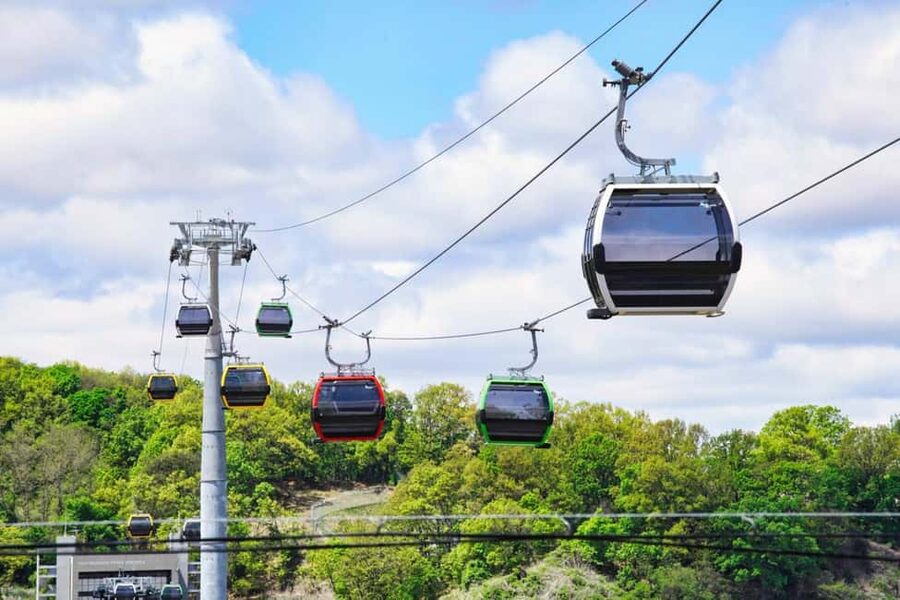
- Optional gondola ride: a closer look over the Imjingang River
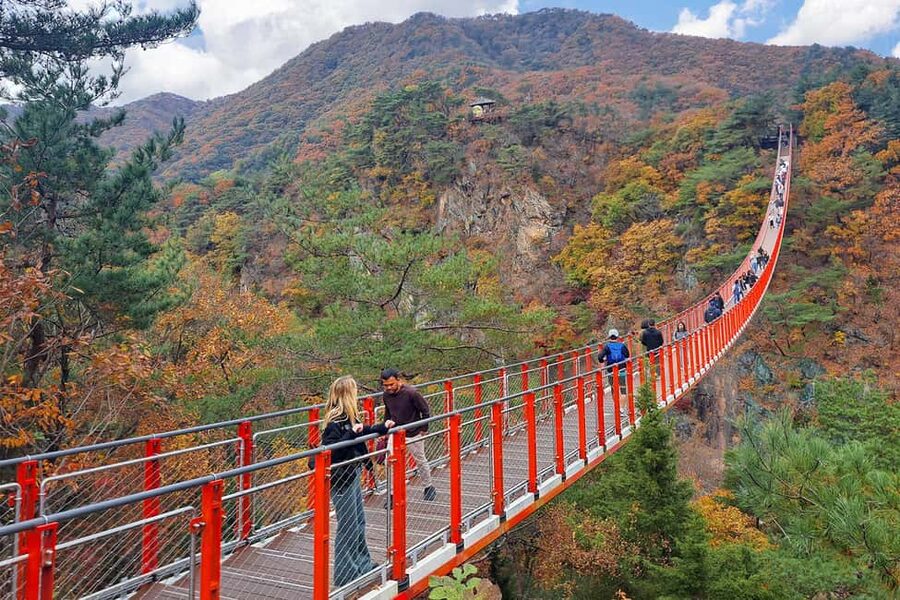
- Optional 150m suspension bridge: moving over mountains for a different kind of perspective
- Price and value: is $37 worth a long, regulated day?
- Who this DMZ tour suits best (and who should think twice)
- Should you book this Seoul DMZ day trip?
- FAQ
- What’s the duration of the DMZ day trip from Seoul?
- Where do I meet the tour in Seoul?
- Do I need a passport?
- What stops will I visit during the day?
- Is the gondola ride available every day?
- Is the Third Tunnel visit easy?
- Are meals included?
- What should I bring and wear?
- Is there a monorail option?
Key highlights you’ll feel in your day
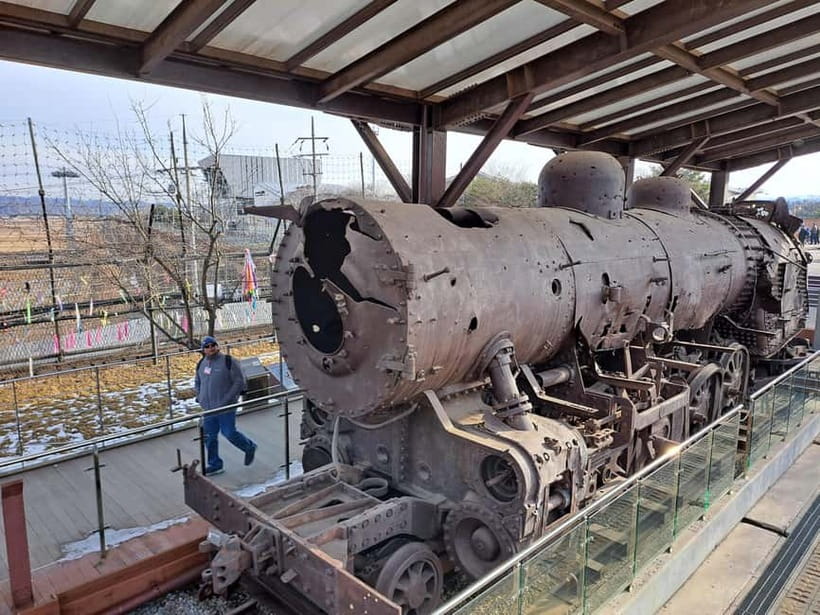
- Dora Observatory views that let you look toward North Korea when conditions allow
- Third Tunnel of Aggression (1,635m long) with a guided visit and an out option if the hike is too much
- Imjingak for a grounding stop that shifts the tone from scenery to people
- Gondola add-on over the Imjingang River for a closer look at North Korea perspectives
- 150m suspension bridge option with mountain views across a swinging bridge
- Guide-led pacing with clear instructions and humor that keeps the day from feeling like a rush
The DMZ from Seoul: why this day trip hits harder than photos
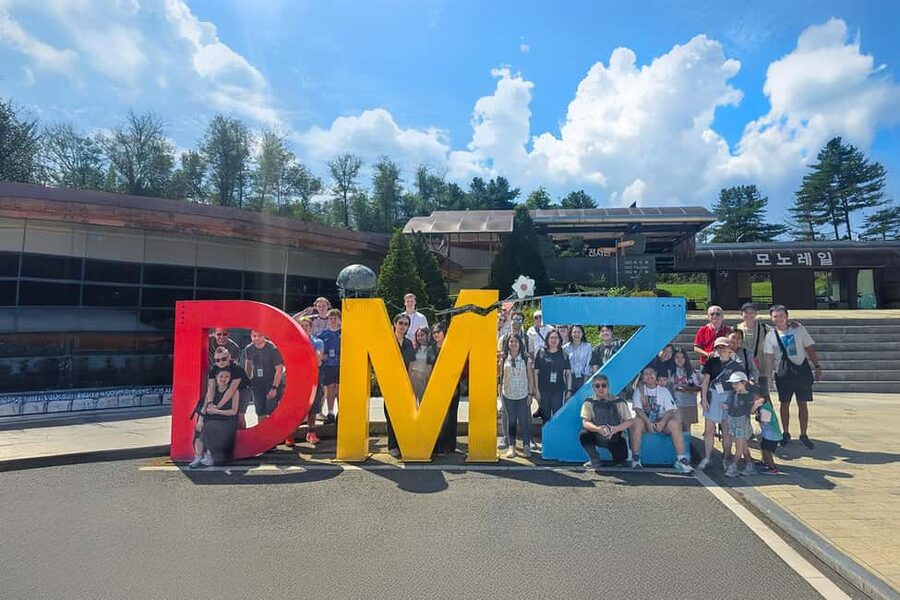
The DMZ isn’t just a travel stop. It’s a living, heavily guarded border zone, and the feeling is part of the experience. Even without getting close to the line itself, the route makes the conflict concrete: you see the physical geography, then you hear why those ridges and waterways mattered.
What I like most is that the tour doesn’t treat the DMZ like a movie set. You’re guided through places built for strategy, observation, and movement, then you visit a tunnel that was designed for speed and scale. It’s tense and hopeful at the same time, which sounds contradictory until you’re standing in the sights and realizing how many different futures are possible from the same spot.
Getting to the DMZ: how the 7 to 11 hours actually work
This is a long day by Seoul standards, usually 7 to 11 hours end to end. You start with transport from Seoul by van, then move between stops at a steady pace. The practical win here is that you don’t have to figure out the complicated parts yourself: guide, tickets, and transfers are handled, and you’re not trying to coordinate public transit on a tight schedule.
Pickup is flexible. You can join a join-in style tour with convenient Seoul meeting points (notably around Myeongdong or Hongdae), or you can book a private option with hotel transfers. Either way, you’ll be in a group setting, so expect a bit of waiting between locations. That’s normal. The DMZ environment runs on rules.
Two items that matter a lot for a smooth day:
- Bring a valid passport. If you don’t have one, entry can be refused.
- Wear comfortable shoes, especially because the Third Tunnel visit includes a hike component.
Imjingak: where the story turns human, not just military
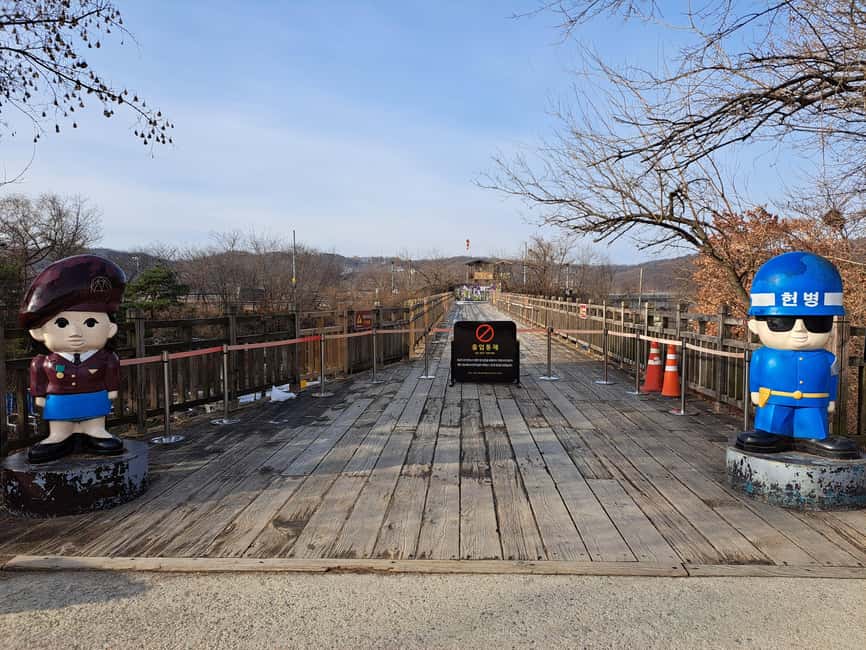
Your day typically begins with a transport drive, then you reach Imjingak for about one hour. This stop works because it shifts the emotional temperature. Instead of focusing only on hardware and fortifications, it helps you frame what separation means for families, movement, and daily life.
I find this matters for the rest of the itinerary. If you jump straight to the tunnel or the observatory, the day can feel like a history lecture with dramatic scenery. Imjingak gives you a better baseline. You’re still looking at the same conflict, but now it connects to people, not just geography.
The Third Tunnel of Aggression: a guided walk with real physical strain
Next comes the star stop for many people: the Third Tunnel of Aggression. It’s about 1,635 meters long, and it’s built large enough for serious movement, which is exactly why it’s so striking. You get a guided tour of about one hour, and you’re given time to understand what you’re seeing before you’re expected to walk.
Here’s the practical consideration: the tunnel visit includes an intermediate level of hiking. The good news is you aren’t forced to push through discomfort. If you have a problem, you can stay outside of the Third Tunnel rather than having a bad experience. Still, comfortable shoes are non-negotiable, and you should be ready for a confined, directional space where you’ll want to keep moving safely.
If you’re wondering what makes this tunnel different from just looking at a monument, it’s the way it teaches scale. The tunnel’s design was about moving troops quickly and effectively, not about tourism. Walking through it changes how you understand the Korean War era from a distance into something physical and immediate.
Guides like April and Patrick are often praised for clarity and pacing here, including being patient with questions. When you’re in a place like this, that kind of attention makes a difference. You don’t just hear facts, you get explanations that connect to why the tunnel mattered.
Dora Observatory: getting North Korea into focus
After the tunnel, you’ll head to Dora Observatory for around 50 minutes. This is the moment people picture when they think about the DMZ: on a clear day, you can gaze toward North Korea from the official viewing area.
Two tips make this stop better:
- Use your time like a viewing window, not a photo sprint. Look first with your eyes, then get your best angle, then take photos if you want.
- If your guide provides binoculars, take advantage of it. Some guides are noted for helping with binoculars for the Dora view.
If Dora Observatory is closed during your visit, the tour notes that it will be replaced with another place, so don’t assume the exact same schedule every day. Weather and rules affect what you see.
Also, this is where good guiding really shows. The best guides don’t just say what you’re seeing. They explain the tension and hope that exist side-by-side in this region. Several English-speaking hosts, including Andrew and Roy, are praised for turning the visit into a story you can actually hold in your head.
Unification Village: shopping time with a purpose
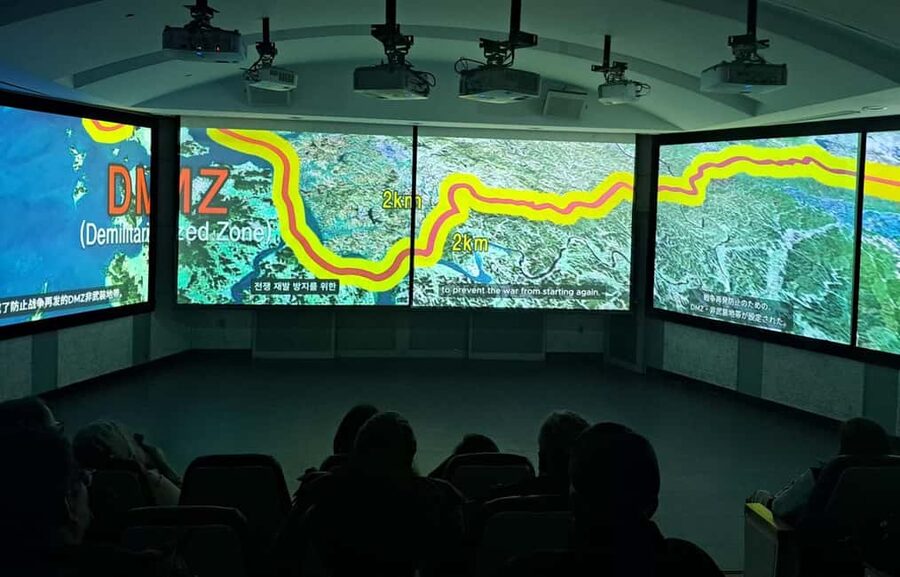
Then you’ll reach Unification Village, usually around 40 minutes of shopping time. This is your decompression stop. You’ll be able to walk, browse, and buy small souvenirs or items related to the theme of reunification.
It’s also useful to know what this stop is and isn’t. It’s not a major historical classroom, and it’s not a replacement for Dora or the tunnel. Think of it as the “human scale” moment after intense sights. Use the time to collect something small, or just to reset before the ride back.
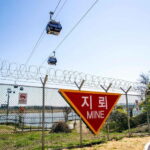
Optional gondola ride: a closer look over the Imjingang River
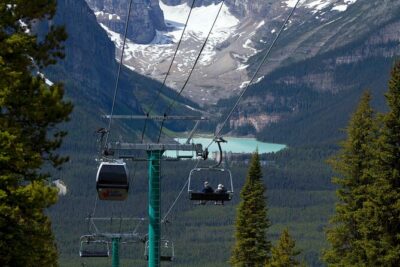
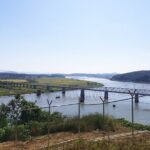
You can add the gondola ride for a different perspective over the Imjingang River. The reason people like this add-on is simple: it changes your viewing angle. Instead of only watching from fixed points on land, the gondola gives you a steadier, more “look around” way to take in the border region views.
One important scheduling note: gondola is unavailable every Monday. Also, this add-on is only offered as an option you select before checkout.
If you want to make the day tastier too, ask your guide about a nearby cafeteria stop related to the gondola area. Some guides have recommended places for snacks, and one popular mention is a soybean latte.
Optional 150m suspension bridge: moving over mountains for a different kind of perspective
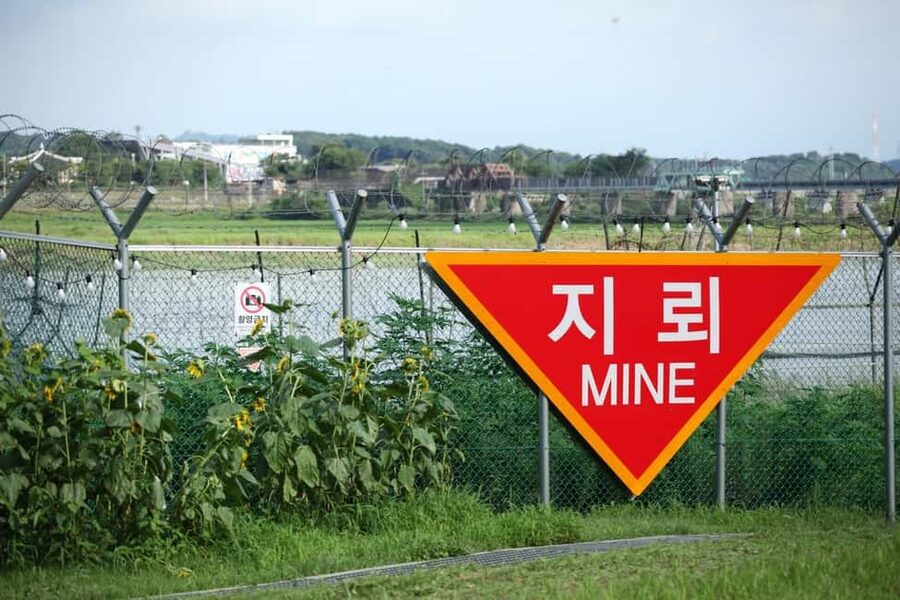
Another add-on is the suspension bridge option, which includes a 150m swinging bridge. This is a different vibe than the tunnel. Instead of tight walls and controlled lines of sight, you get open air and mountain scenery through the bridge walk.
This works well if you want a day that includes both emotional weight and a bit of physical variety. Also, because the bridge is outdoors, it’s a good reminder that this is a four-season region. Your views may change with weather, but the experience stays active and memorable.
Price and value: is $37 worth a long, regulated day?
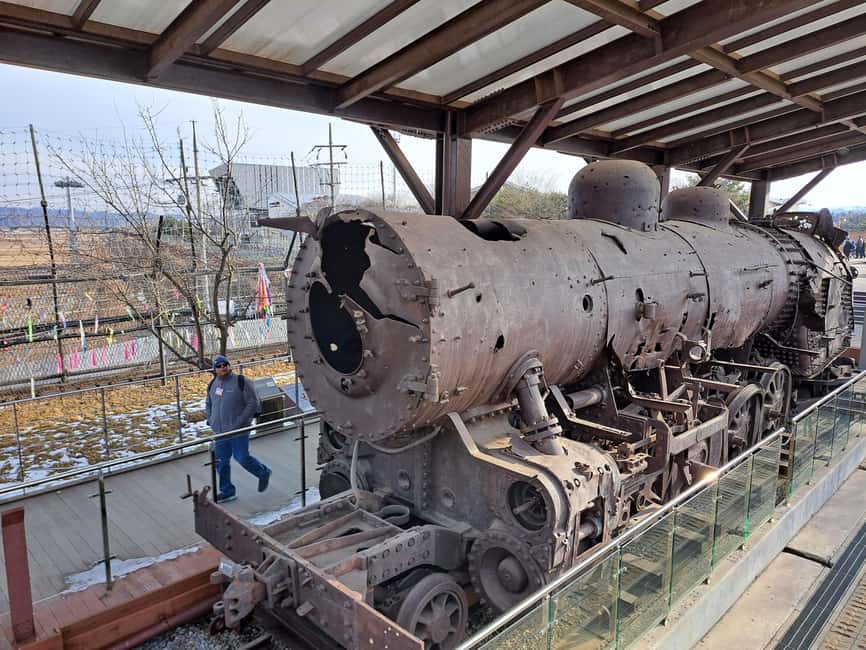
At $37 per person, this is one of those DMZ experiences that feels priced for access rather than luxury. You’re paying for a full day of transfers, a professional guide, and entry tickets tied to the DMZ sites. On top of that, the tour offers optional add-ons (gondola and suspension bridge), plus hotel pickup and drop-off for private options.
What you should factor in is what isn’t included. Food and drinks are not included, so you’ll need to budget for meals or snacks during your free time blocks. If you’re the type who likes to plan ahead, it’s smart to bring water when allowed and decide how you’ll handle lunch so you’re not stuck searching while the group is moving.
Where it gets real is the guide. Reviews consistently praise hosts like April and Patrick for being patient, answering questions, using humor, and keeping the group organized. That kind of guidance is part of the value. With the DMZ, you can’t “wing it” effectively, and you don’t want a guide who rattles off facts without helping you understand what you’re seeing.
Who this DMZ tour suits best (and who should think twice)
This tour is a strong match if you want the most important DMZ viewpoints in one day: tunnel + observatory + key border-area context, with optional gondola and bridge for extra variety. It’s also ideal if you’re traveling on a schedule and don’t want to coordinate complicated transport.
It may not be a great fit if:
- You have a low fitness level, because the tunnel visit involves hiking.
- You’re uncomfortable with confined spaces and guided pacing.
- You’re relying on fixed plans for a specific observatory or experience, since last-minute changes can happen due to weather or political reasons.
If you do have concerns about stamina, lean on the tour’s built-in flexibility: you can stay outside during the Third Tunnel if needed.
Should you book this Seoul DMZ day trip?
If you want a DMZ experience that balances emotion, clear interpretation, and real viewing opportunities, I’d say yes. The combination of Dora Observatory (North Korea views when conditions allow), the Third Tunnel (the physical “scale shock” stop), and optional gondola or a 150m suspension bridge makes it more than a checkbox.
Book it if you’re okay with a long day and you take logistics seriously (passport, shoes, stamina). Skip it only if you know you can’t handle the tunnel hike component or you hate the idea of plans changing for a regulated area.
If you do book, pick your add-ons based on what you want most: gondola for river-over viewpoints, suspension bridge for outdoor mountain time, and the core tunnel + Dora for the experience that makes the DMZ feel real.
FAQ
What’s the duration of the DMZ day trip from Seoul?
The tour runs about 7 to 11 hours, depending on the scheduled start time and how the day proceeds.
Where do I meet the tour in Seoul?
Meeting points can vary by option. The tour notes convenient meeting points around Myeongdong or Hongdae, and private options may include hotel pickup.
Do I need a passport?
Yes. You must bring your own valid passport, and entry can be refused if you don’t have one.
What stops will I visit during the day?
You’ll visit key DMZ-related locations including Imjingak, the Third Tunnel of Aggression, Dora Observatory, and Unification Village. If Dora Observatory is closed, it will be replaced with another place.
Is the gondola ride available every day?
No. The gondola is unavailable every Monday.
Is the Third Tunnel visit easy?
It requires intermediate-level hiking. If you have trouble, you can stay outside of the Third Tunnel.
Are meals included?
No. Food and drinks are not included.
What should I bring and wear?
Bring a passport and wear comfortable shoes, especially for the Third Tunnel portion.
Is there a monorail option?
No. The monorail is not available for this tour.