REVIEW · SEOUL
Explore DMZ from Seoul +(optional) Gondola/Red Suspension Bridge
Book on Viator →Operated by Vividclub · Bookable on Viator
A border trip with real emotion, and solid scenery options. This DMZ outing pairs clear, on-the-ground history context with a chance to add the Imjin River gondola and the Gamaksan Mountain suspension bridge for jaw-dropping views in any season. I like that it keeps the day structured and informative, but I’d flag one drawback: expect long, tough walks—especially if you push to the third tunnel at the DMZ and if you choose the mountain bridge.
The format is value-focused: a single-price day (at $49.50) with round-trip transport and admission coverage, so you’re not piecing together tickets. I also like the practical pickup setup from major Seoul stops and the way the group flow tends to feel manageable rather than chaotic, even though capacity can be high.
In This Review
- Key highlights you’ll actually care about
- First light logistics: pickups that save your morning
- Imjingak Park: the free warm-up that sets the tone
- Entering the DMZ: fortified border views and the third-tunnel reality
- Optional gondola over the Imjin River: when scenery helps the message
- Gamaksan Mountain suspension bridge: dizzying views with a physical price tag
- The schedule moves well: travel time, drop-offs, and keeping your pace
- Money and value: what you’re really paying for
- Who should book this DMZ + mountain views day
- Should you book Vividclub’s Seoul DMZ day trip?
- FAQ
- What is the total duration of the tour?
- How much does the tour cost?
- Are pickup and transportation included?
- Where do the pickups happen and what time?
- What parts are included versus optional?
- Is food included?
- Will I get tickets on my phone?
- Can I cancel and get a refund?
- Is there a maximum group size?
Key highlights you’ll actually care about
- Early pickups in three central areas (Myeongdong, City Hall, Hongik Univ.) so you start without drama
- Imjingak Park first with free entry, which helps you get oriented before the stricter DMZ portion
- DMZ touring that includes the difficult walk to the third tunnel if you choose to go that far
- Optional gondola across the Imjin River for a calmer, scenic stretch
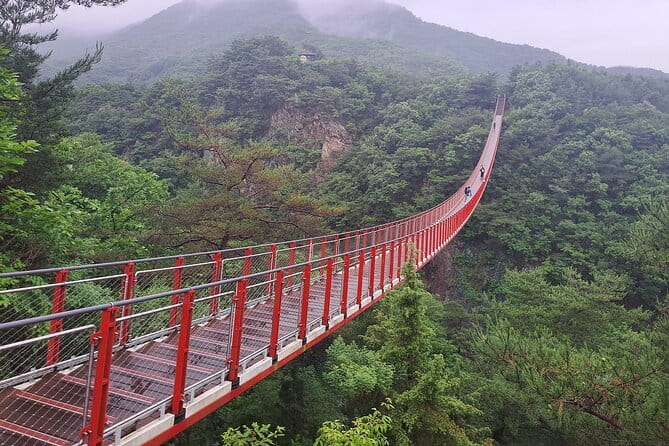
- Optional Gamaksan Mountain suspension bridge with a vertigo-inducing reward, but plan for a climb
- Guides like Patrick are often praised for humor, clear explanations, good music, and tight time management
First light logistics: pickups that save your morning
This is the kind of tour that starts early on purpose. You’ll be picked up around 6:20am to 6:40am from three convenient Seoul locations, all with clear exit instructions: Myeongdong Station Exit 7 (6:20am), City Hall Station Exit 7 (6:25am), and Hongik Univ. Station Exit 1 (6:40am). If you’re staying in Seoul’s core, that matters. It means you don’t burn time figuring out connections while your tour clock is running.
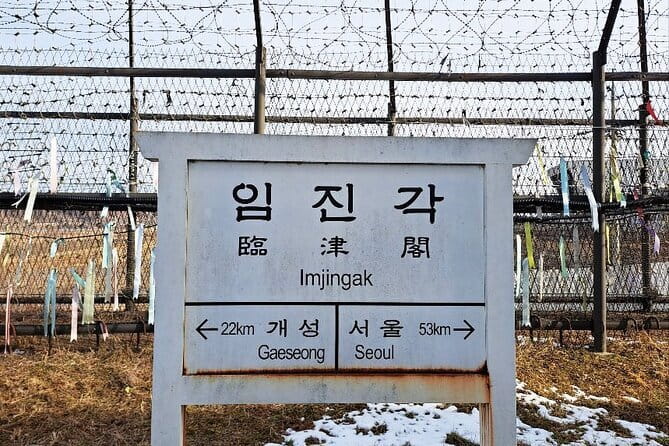
From there, the first travel leg takes you to Imjingak Park. The day is paced like this: start with something accessible and visually grounded, then move toward the fortified border sites. That flow helps your brain shift gears, because the DMZ can feel emotionally heavy fast.
Practical tip: wear shoes you trust. Even when the schedule is “only” a few hours at each stop, you’ll be on your feet a lot. If you’re the type who gets cranky when you’re slightly underprepared (you know who you are), pack water, and keep your daypack light.
Imjingak Park: the free warm-up that sets the tone
Imjingak Park is where the day starts to make sense. Entry is free, and it works like a mental on-ramp: you arrive ready to learn, but not yet swallowed by the strictness and intensity that comes later. It’s also a smart first stop because it’s easier to judge how your body is doing early in the day.
This part matters because the DMZ isn’t just a sightseeing checklist. It’s a place where history and the current reality of the Korean peninsula sit side by side. Going in without context would make the whole trip feel random. Starting at Imjingak helps you understand what you’re about to see, before the tour moves into the world’s most fortified border zone.
Time-wise, you get roughly about an hour-plus here, which is enough to take in the basics and still stay on schedule. If you’re short on energy that morning, focus on getting the big picture first rather than trying to photograph every corner.
Entering the DMZ: fortified border views and the third-tunnel reality
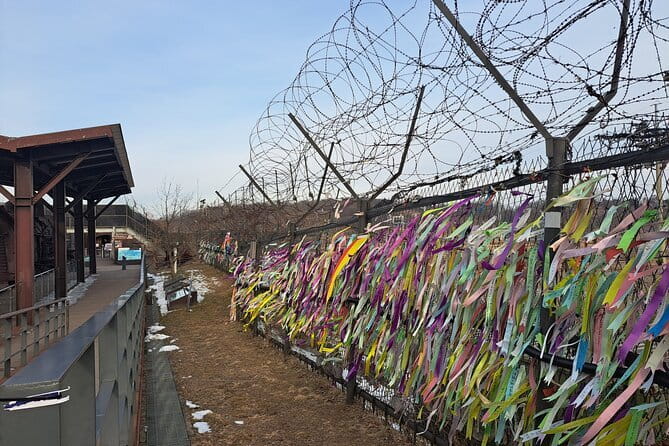
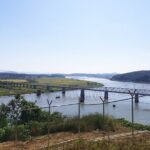
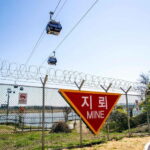
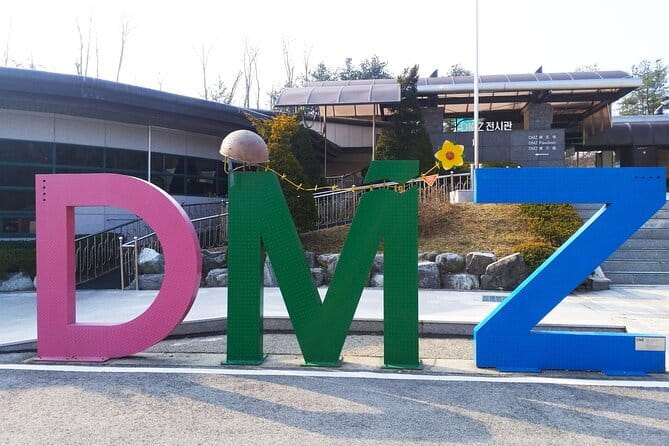
The core of this day is the DMZ itself—done as a guided experience with admission included. This is where you feel the scale. The border isn’t subtle. It’s designed to stop movement, and the sites around it show that clearly.
One specific detail I’d plan for: the walk to the third tunnel can be a long, difficult haul. That doesn’t mean you can’t do it, but it does mean you should treat it like part of the physical workout of the day, not a quick add-on. If you’re deciding whether you’re up for it, be honest. The payoff is the sense of how the terrain and infrastructure shaped human decisions on this peninsula.
What you’ll gain from this portion is the “why” behind what you’re seeing. You’re not just looking at structures—you’re connecting them to the story of division, tension, and the constant presence of the past. That’s the value of a DMZ tour versus a casual stop.
Small reality check: the emotional tone can be intense. If you’re visiting with someone who gets overwhelmed by heavy topics, plan for breaks. Even just stepping back between sights for a minute helps.
Optional gondola over the Imjin River: when scenery helps the message
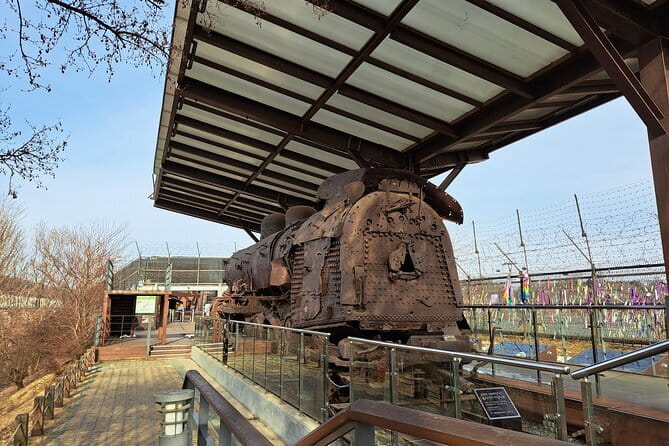
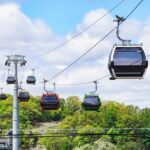
The cable car, often called the gondola, crosses the Imjin River and is optional. The key point for your planning is that it’s not included in the base price—there’s an extra admission fee not included.
So, is it worth adding? For me, it depends on what kind of day you want.
- If you want a visual reset and don’t mind paying a bit extra, the gondola is a good way to break up a heavy day with open-air river views.
- If you’re already stretching your stamina and money, you can skip it and put that time/energy toward the DMZ walking demands.
Either way, the decision is about pacing. The DMZ part of the day can feel like “tight focus.” The gondola creates breathing room and gives you a different angle on the region—less about fortifications in close-up and more about geography.
Gamaksan Mountain suspension bridge: dizzying views with a physical price tag
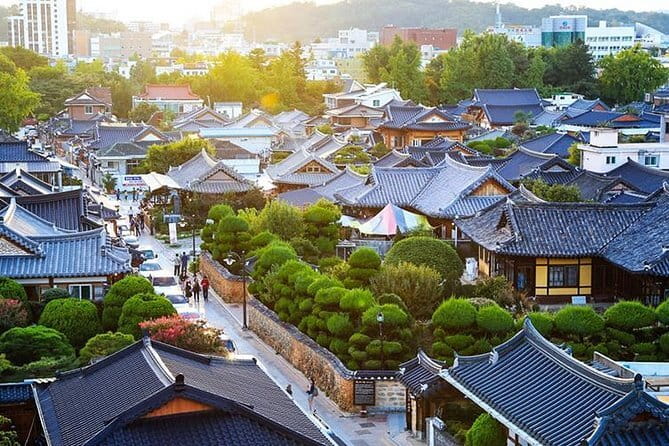
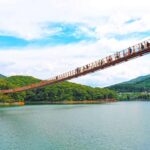
The second optional add-on is the Gamaksan Mountain suspension bridge. This is where the trip turns into full-on “mountain day,” with big height and that shaky-in-a-good-way suspension feeling people go there for.
Here’s the drawback you should take seriously: it involves a walk up the mountain. That matters in every season. In colder weather you may feel stiff; in hotter months, the climb can feel slower than expected. The bridge experience itself is the reward, but the climb is part of the ticket.
If you love viewpoints and you’re okay with a workout, this is one of the best ways to make the day feel less one-note. The DMZ is heavy. The bridge is visual relief, with a strong sense of height and open air. If you hate steep effort or you know you’ll struggle with the long walk to the third tunnel, you might skip the bridge and still keep the day meaningful.
One more practical angle: if you’re afraid of heights, don’t pretend you’re fine. Suspension bridges can change how steady your legs feel. Choose honestly, then move on with your day.
The schedule moves well: travel time, drop-offs, and keeping your pace
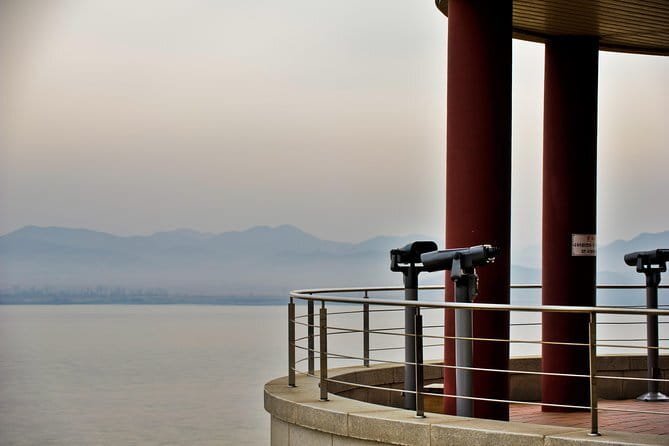
The full day runs about 7 to 8 hours. You’ll spend around 5 hours on the DMZ portion of the experience, and the rest of the day is travel plus the Imjingak Park start and the return.
After the DMZ, you head back through Paju, and drop-off back in Seoul can vary depending on local conditions. That means you shouldn’t plan a super tight connection immediately after the tour ends. Build in cushion for getting back to your hotel, especially if you’re relying on transit that’s far from the drop zone.
What I appreciate about this kind of pacing: it keeps you moving. Time management is often the difference between a DMZ day that feels efficient and one that feels rushed. Guides like Patrick have been praised for humor, clear explanations, and good music, plus a knack for keeping the day on track. When time is handled well, you can actually enjoy the views instead of just surviving the clock.
Money and value: what you’re really paying for

The price is $49.50 per person, and it’s not just a “transport fee.” It includes:
- Round-trip transportation
- Admission to the main attractions
- The suspension bridge visit is optional (meaning you don’t pay for it unless you choose it)
What’s not included:
- Food and drinks
- Optional gondola admission fee
- Child car seat
That makes the value pretty straightforward. You’re paying for a whole-day structure: early pickup, guided access to restricted-feeling sites, and the admission pieces bundled so you don’t have to scramble for tickets in the morning. Given how much time the day takes and how remote the DMZ portion feels from central Seoul, the transport-and-entry bundle is where the value lives.
Where cost sensitivity comes in: if you add both optional activities (gondola plus the suspension bridge), the total day can climb. I’d treat the base price as the foundation and then budget the add-ons based on your energy and interests.
Who should book this DMZ + mountain views day
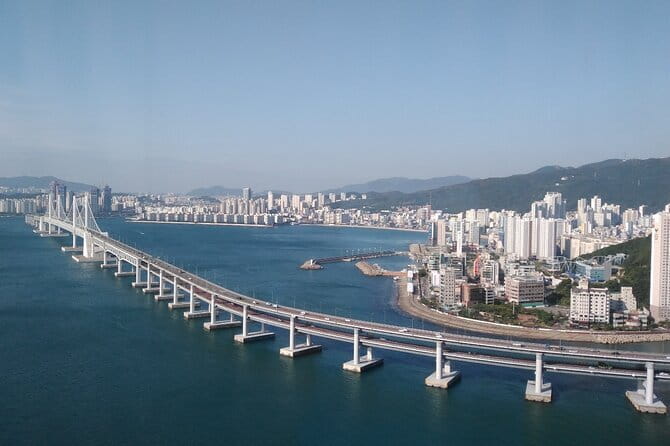
This tour style fits best if you want a mix of:
- Big historical context in a real place that still looks like it does for a reason
- Scenic add-ons in the same day, so your photos aren’t only gray-and-foreboding
- A structured day starting from central Seoul
It’s also a good match for people who don’t mind walking and can handle stairs/steep paths. The biggest physical considerations are the walks—especially the third tunnel area and the mountain hike to the suspension bridge.
I’d be more cautious if you:
- Have limited mobility or get wiped out by steep walking
- Know you’ll feel panicky with heights (the suspension bridge is not for that mindset)
Even then, you can still enjoy the main DMZ focus if you choose the optional elements more selectively.
Should you book Vividclub’s Seoul DMZ day trip?
If you want a DMZ day that doesn’t feel like a rushed lecture—and you’re open to adding either the gondola for views or the suspension bridge for height—this is a strong booking choice. The value is in the bundled transportation and admissions, plus the way the day is organized to keep you moving and informed.
I’d say book it if:
- You’re in Seoul for a short time and want maximum value per hour
- You like guided context, not just photos
- You’re prepared for long walks
I’d reconsider if:
- Long steep walking would ruin your day
- Heights make you uncomfortable and you’d feel stressed at the bridge
If you do book, plan your day like a hike: comfortable shoes, water, and a realistic mindset about the physical parts. The DMZ experience is powerful, and the optional scenery turns that power into a more balanced whole day.
FAQ
What is the total duration of the tour?
The tour runs about 7 to 8 hours total.
How much does the tour cost?
It costs $49.50 per person.
Are pickup and transportation included?
Yes. The tour includes round-trip transportation and pickup from set Seoul meeting points.
Where do the pickups happen and what time?
Pickups are at Myeongdong Station Exit 7 (6:20am), City Hall Station Exit 7 (6:25am), and Hongik Univ. Station Exit 1 (6:40am).
What parts are included versus optional?
Admission to the attractions is included, and the suspension bridge visit is optional. The gondola is optional and its admission fee is not included.
Is food included?
No. Food and drinks are not included.
Will I get tickets on my phone?
Yes. The tour offers a mobile ticket.
Can I cancel and get a refund?
Yes. Free cancellation is available if you cancel at least 24 hours before the start time.
Is there a maximum group size?
The activity lists a maximum of 999 travelers.